SILOM · BANGKOK LIVING LAB
From walking Silom to a living lab for inclusive visitor services
The development of Silom Queer Inclusive Living Lab from fieldwork and conversations in 2025 to questions of services, evidence and local business opportunity through October 2026.
Read the story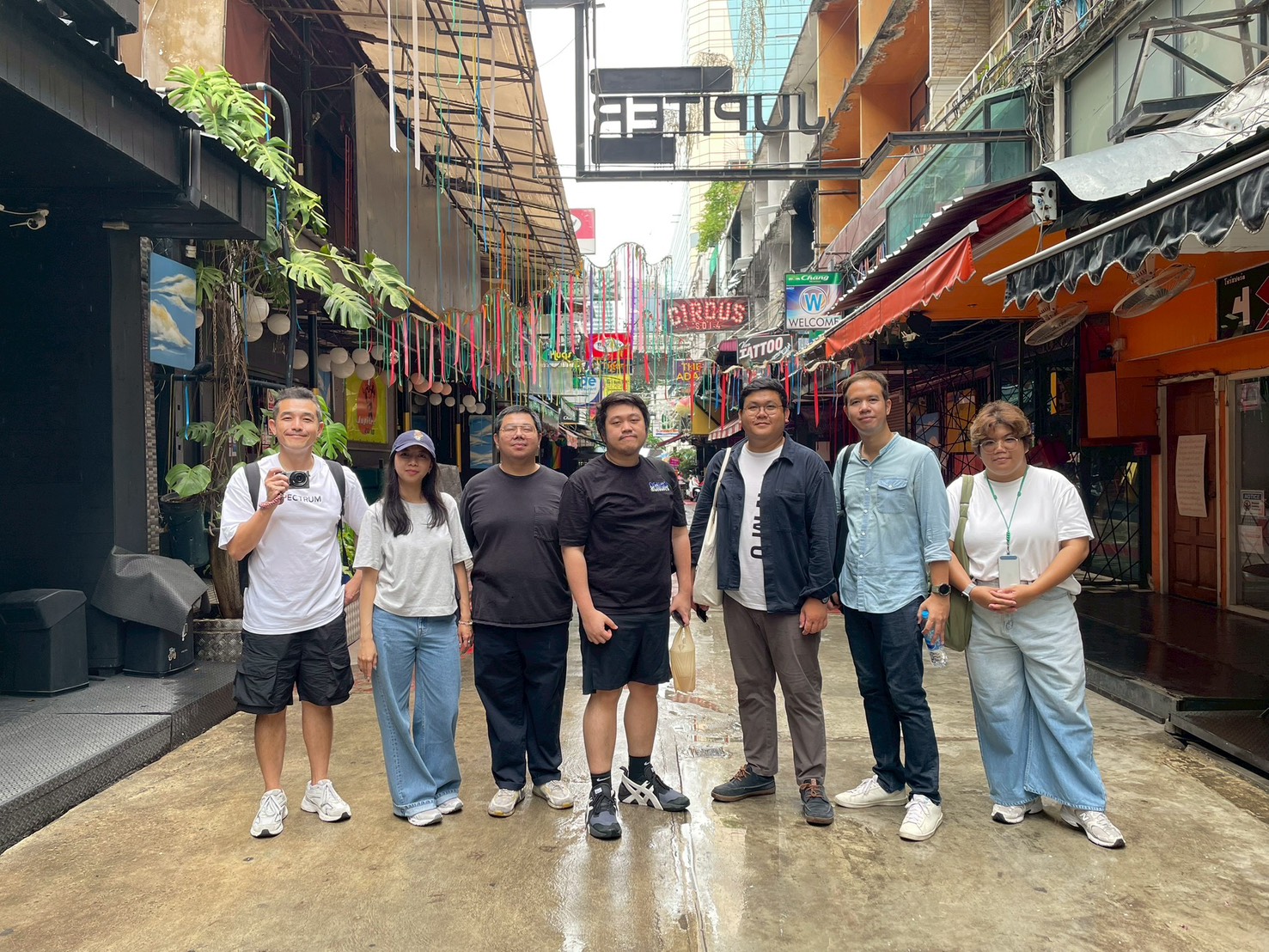
From community experience to questions about neighbourhood services
Silom brings together businesses, nightlife, creative work and places where LGBTQ+ people meet. Working with festivals, communities and businesses led Pride Ready Asia to ask how visitors' experiences connect with transport, local enterprise and services across the district.
From 2025, the team took these questions into exchanges with urban practitioners, researchers and travel networks. A July walk in Silom was one part of that learning, ahead of the development of Silom Queer Inclusive Living Lab, or SQILL, under Pride Economy 365™, which considers the year-round economy of inclusion.
This account brings together fieldwork, discussions, submissions and relevant follow-up. Some work concerns Silom directly; other activities contribute learning from different districts and forums. Proposed routes, tools and service trials still require development within their respective scopes.
2025: Learning from the city and developing an approach
Experience from festivals and communities connected with fieldwork, service research and feedback from urban and academic practitioners. By the end of the year, the work was becoming more specific about what information to collect and how to consider business readiness in the district.
February 2025
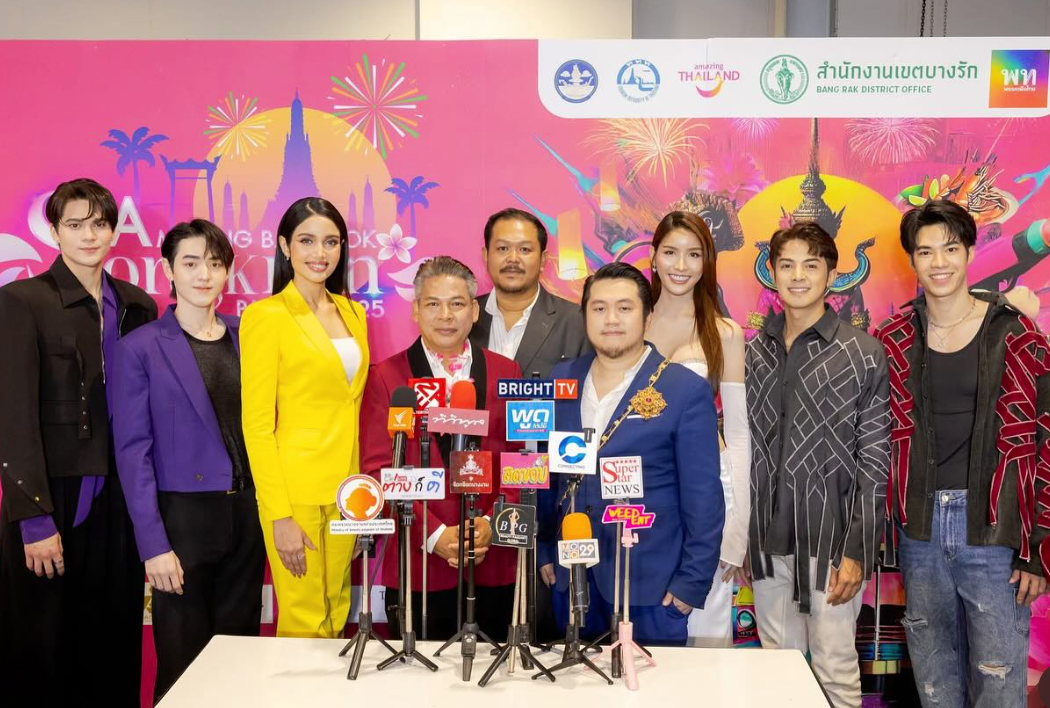
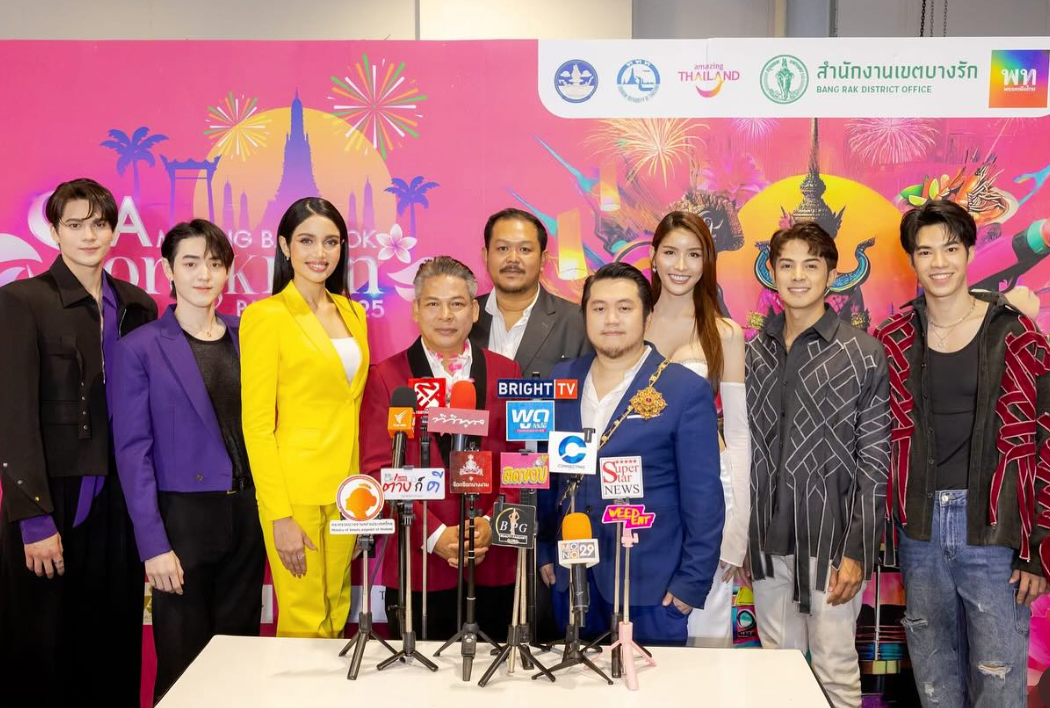
- 21 FebruaryPongsatorn Archawapongsagorn joined the Amazing Bangkok Songkran Parade 2025 press conference and presented the World Wet Parade idea, connecting the festival with activities and services across the city throughout the year. The proposal raised questions about visitor journeys, shops and the people creating neighbourhood experiences beyond the event dates. Pride Ready Asia continued to develop these themes through Pride Economy 365™.
March 2025
- 25 March–1 AprilPongsatorn Archawapongsagorn, then representing Mr. Bear Organization, contacted Healthy Space Forum after reading its City Lab Silom work to exchange ideas about “Bangkok Bear Metropolis,” connecting LGBTQ+ culture, creative activities and the use of urban space. Healthy Space Forum welcomed the exchange and coordinated an appointment for 3 April, with the proposed discussion focusing on helping visitors understand Silom and spend more time in the district. This correspondence began an exchange about the city and people's experiences of the neighbourhood, before the more explicit Living Lab discussions the following year.
April 2025
- 28 AprilRewat Tunton spoke about Bangkok Songkran Bear Week, held from 11 to 17 April, and Silom's role as a meeting place for the bear community. The interview explored hospitality, belonging and the reasons visitors choose to return. These themes helped frame neighbourhood research around both the activities that attract people and the services that support everyday life during a visit.
June 2025
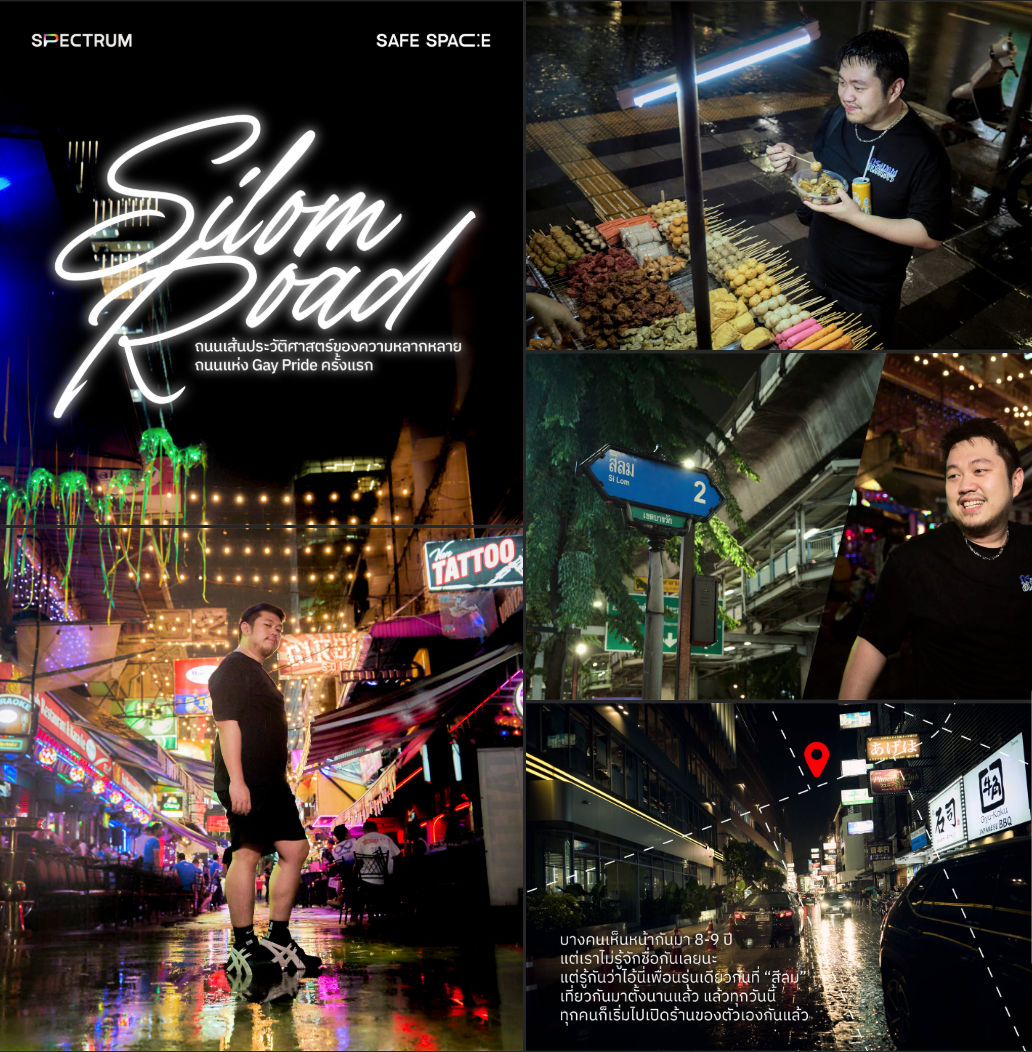
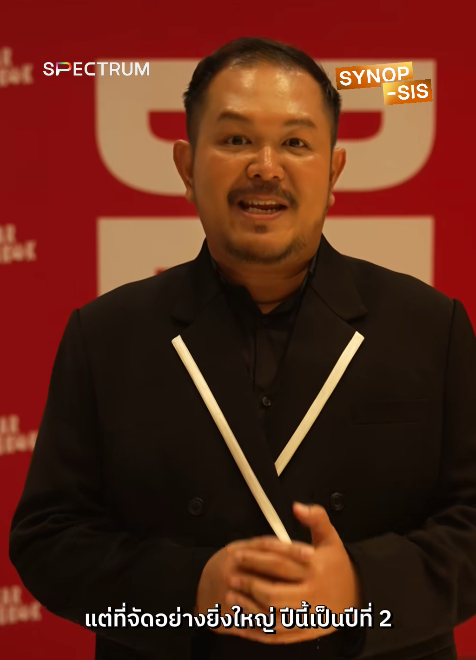
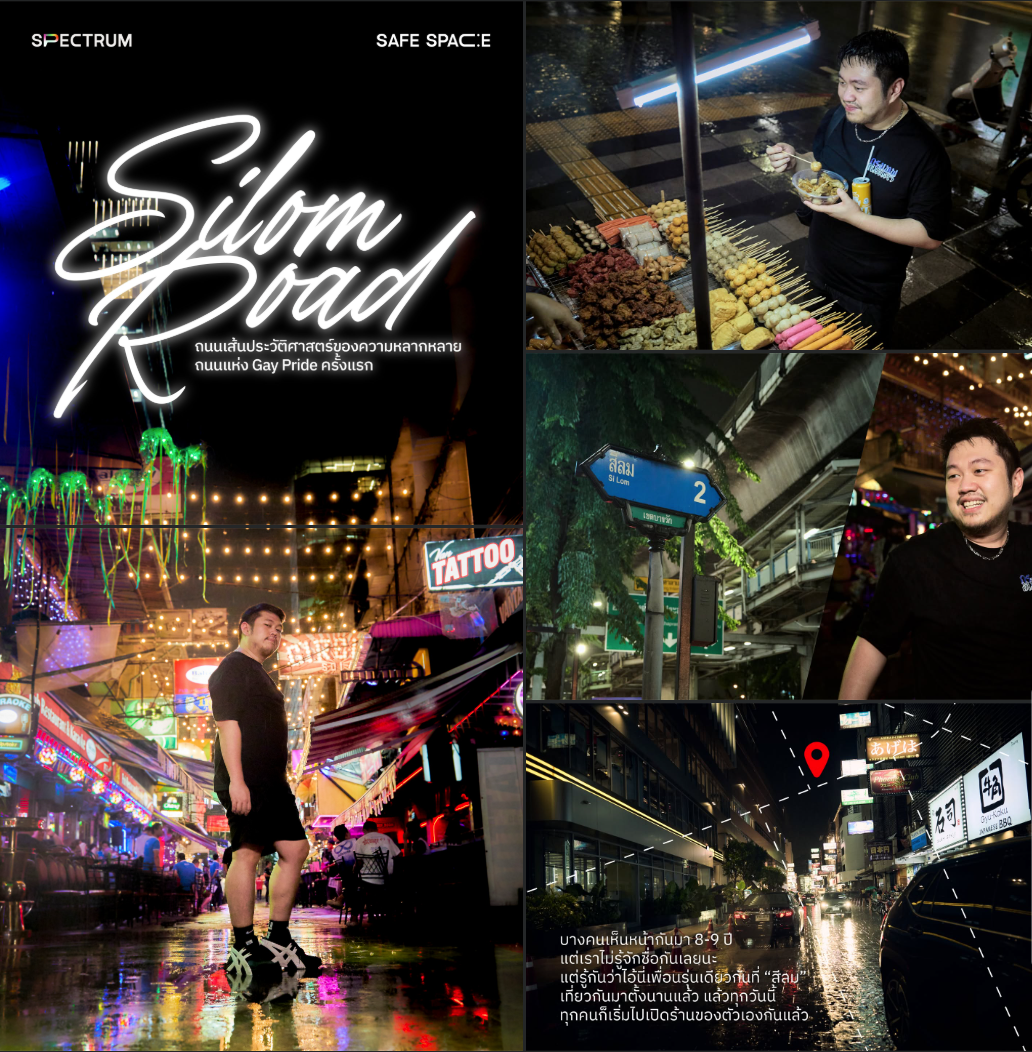
- 30 JunePongsatorn Archawapongsagorn spoke to Spectrum Thailand about Silom's history and place in LGBTQ+ community life, including its meeting places, culture and night-time economy. This perspective brought relationships among residents and returning visitors into the story of the district. It provides a basis for fieldwork that listens to community perspectives alongside exploring business opportunities.
July 2025
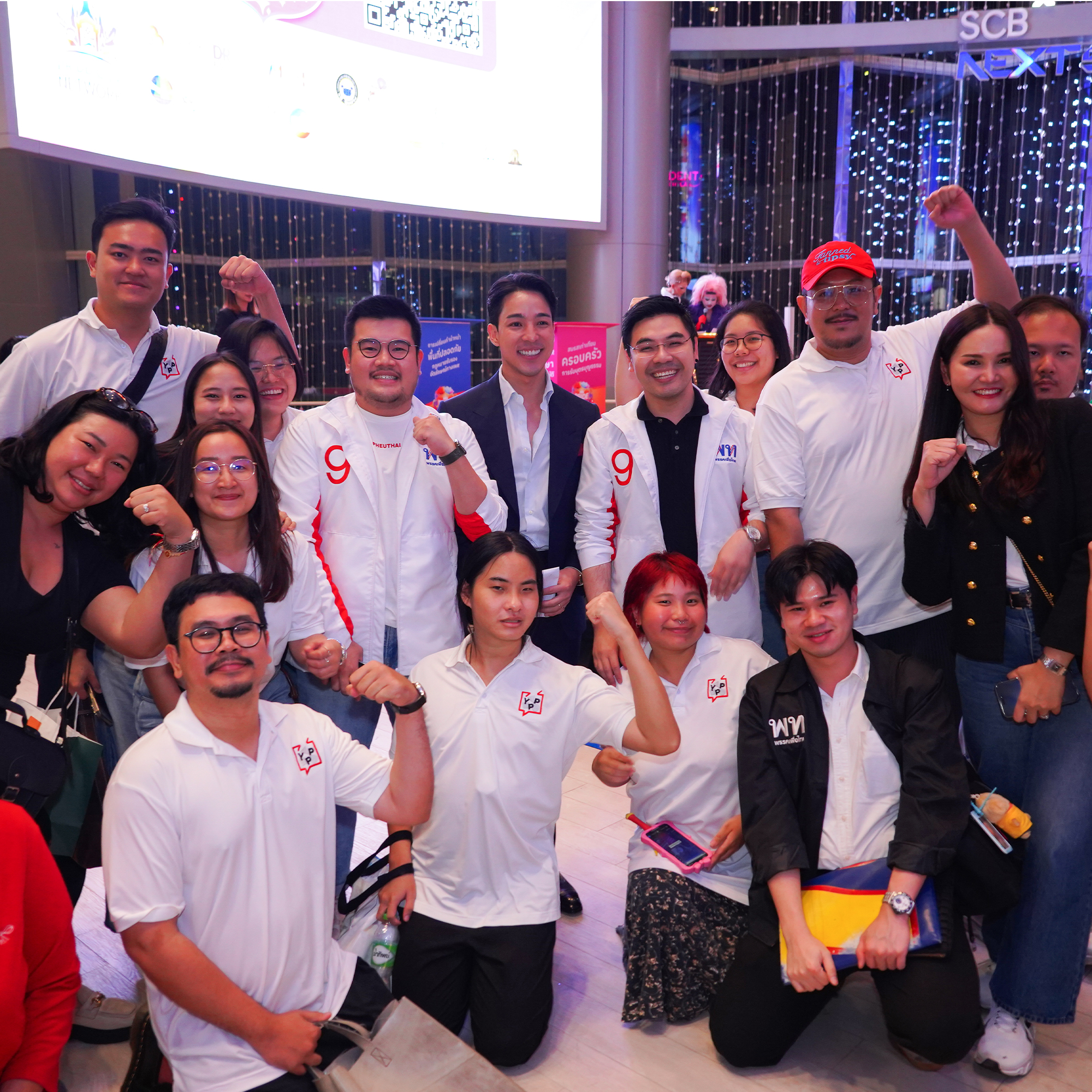
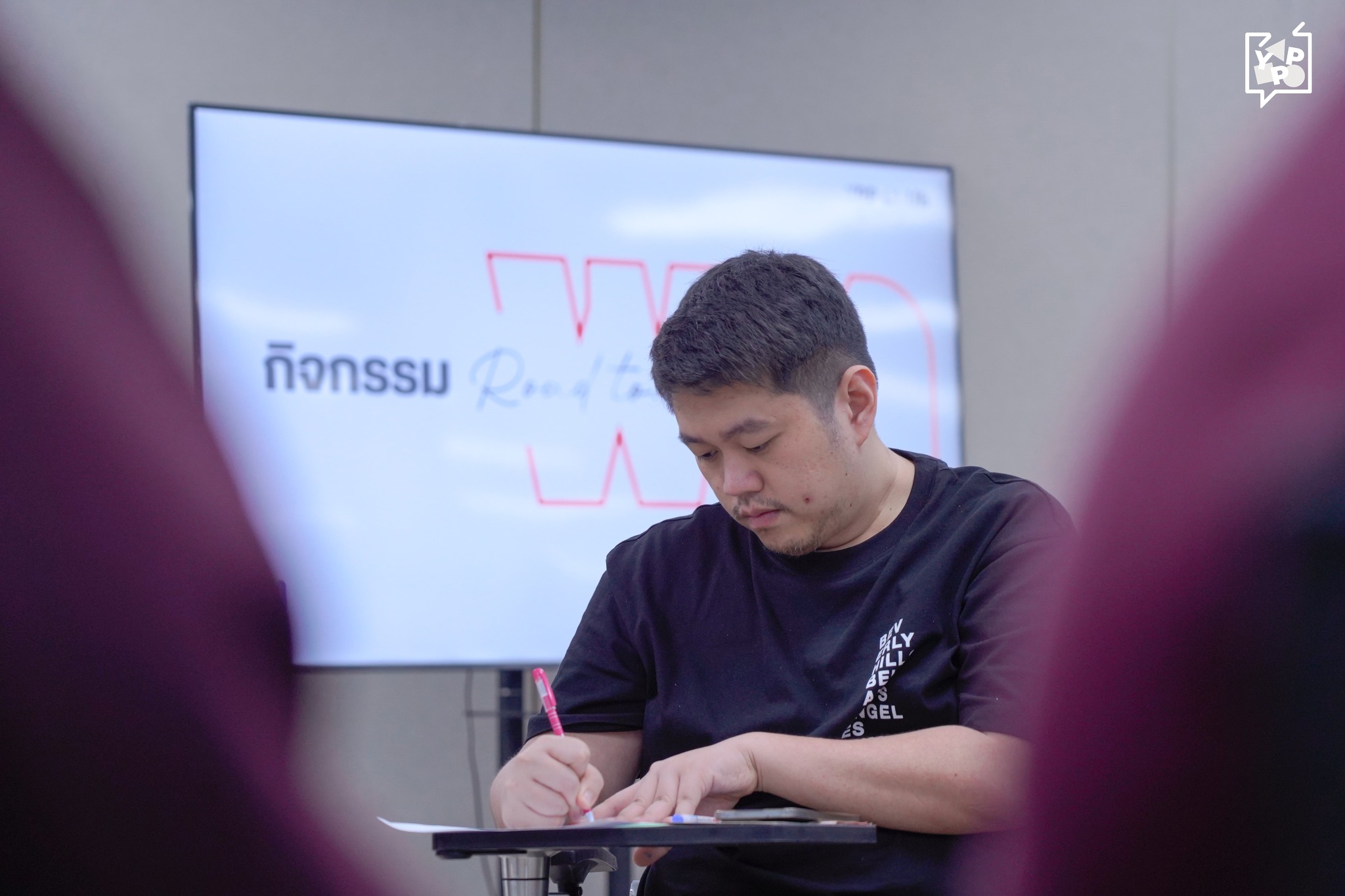
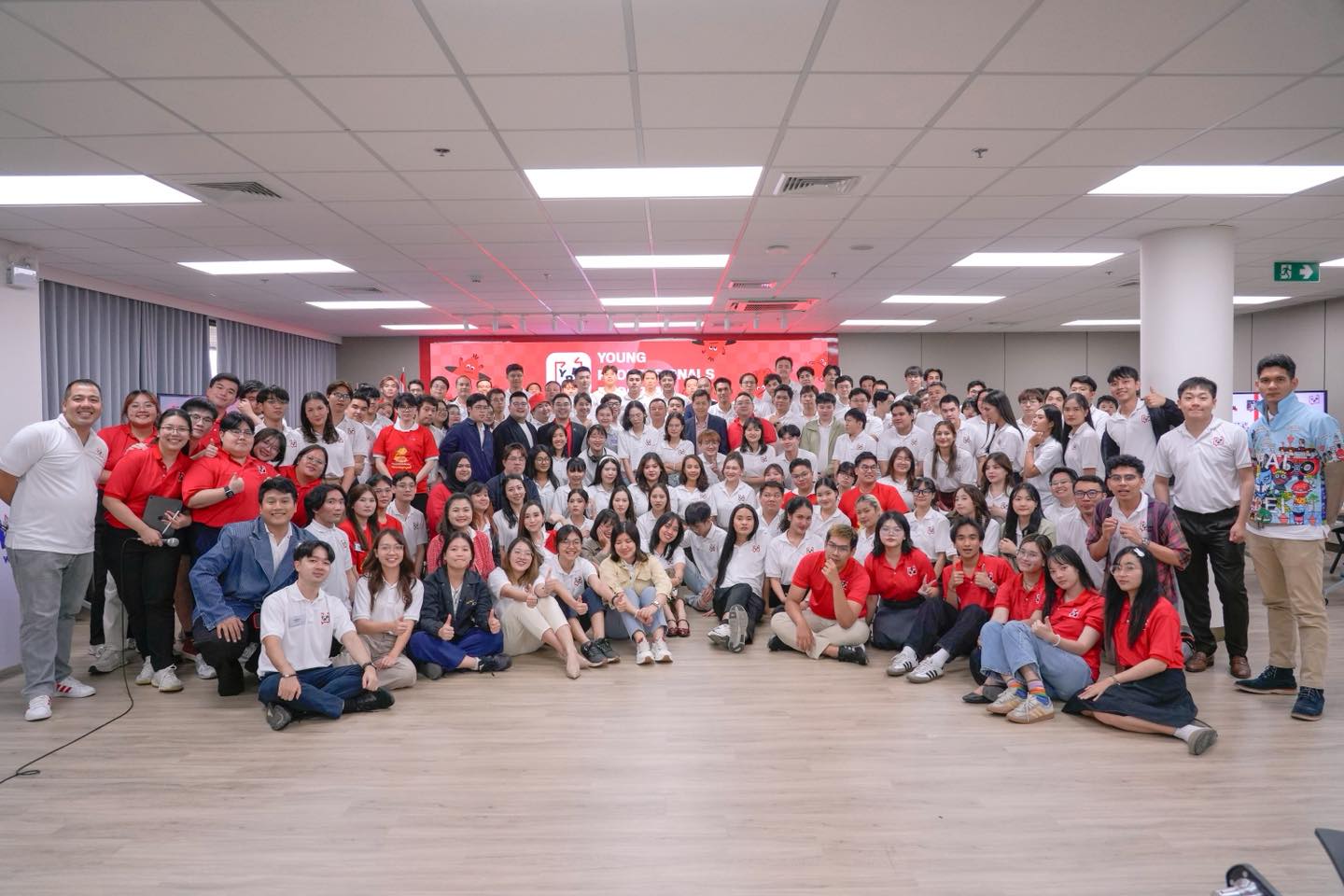
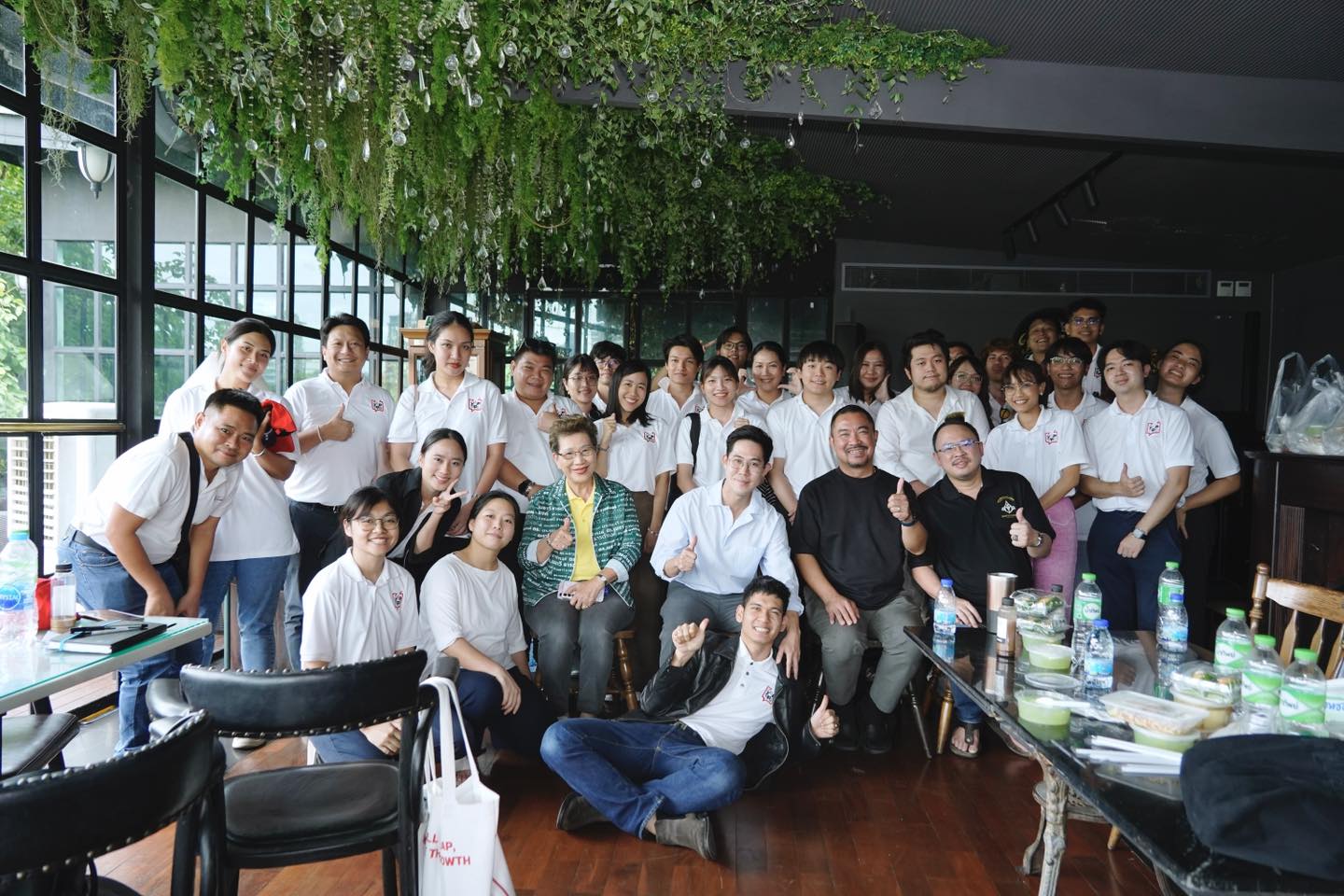
- 5 JulyPride Ready Asia explored Urban Development and Gentrification through the Young Professionals Program (YPP) and visited Banthat Thong to hear about businesses' challenges and opportunities. Looking at change through shops, people using the area and local agencies grounded neighbourhood development in everyday experience. This approach informs Living Lab work that starts with people in the area before developing service ideas.
- 5 JulyA YPP visit to Pak Khlong Talat led to the “flower market in bloom all year” proposal, considering activities that connect flower shops with florists, weddings and festivals. The idea followed the skills and businesses contributing to visitor experiences beyond the shopfront. It began to explore creative supply chains that could connect neighbourhoods through experience routes.
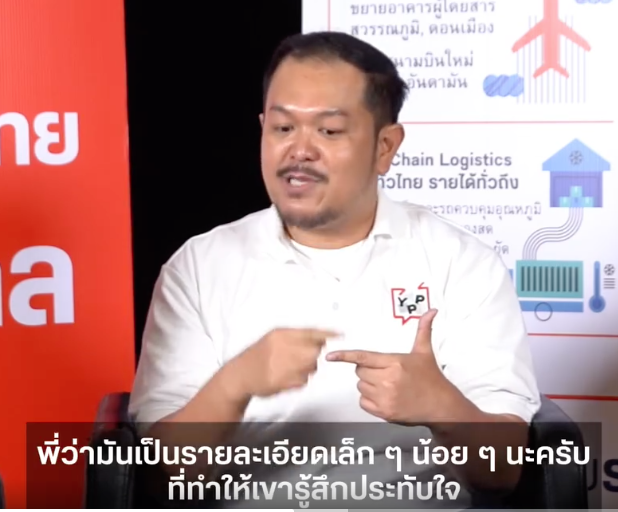
- 12 JulyPride Ready Asia presented its Pak Khlong Talat proposal at a YPP forum, bringing together the use of space, digital information for businesses and a calendar of creative activities. The proposal followed flowers through different occasions, from graduations and weddings to pageants and events. Considering these elements together extended the route idea from a single place to related businesses and activities across the city.
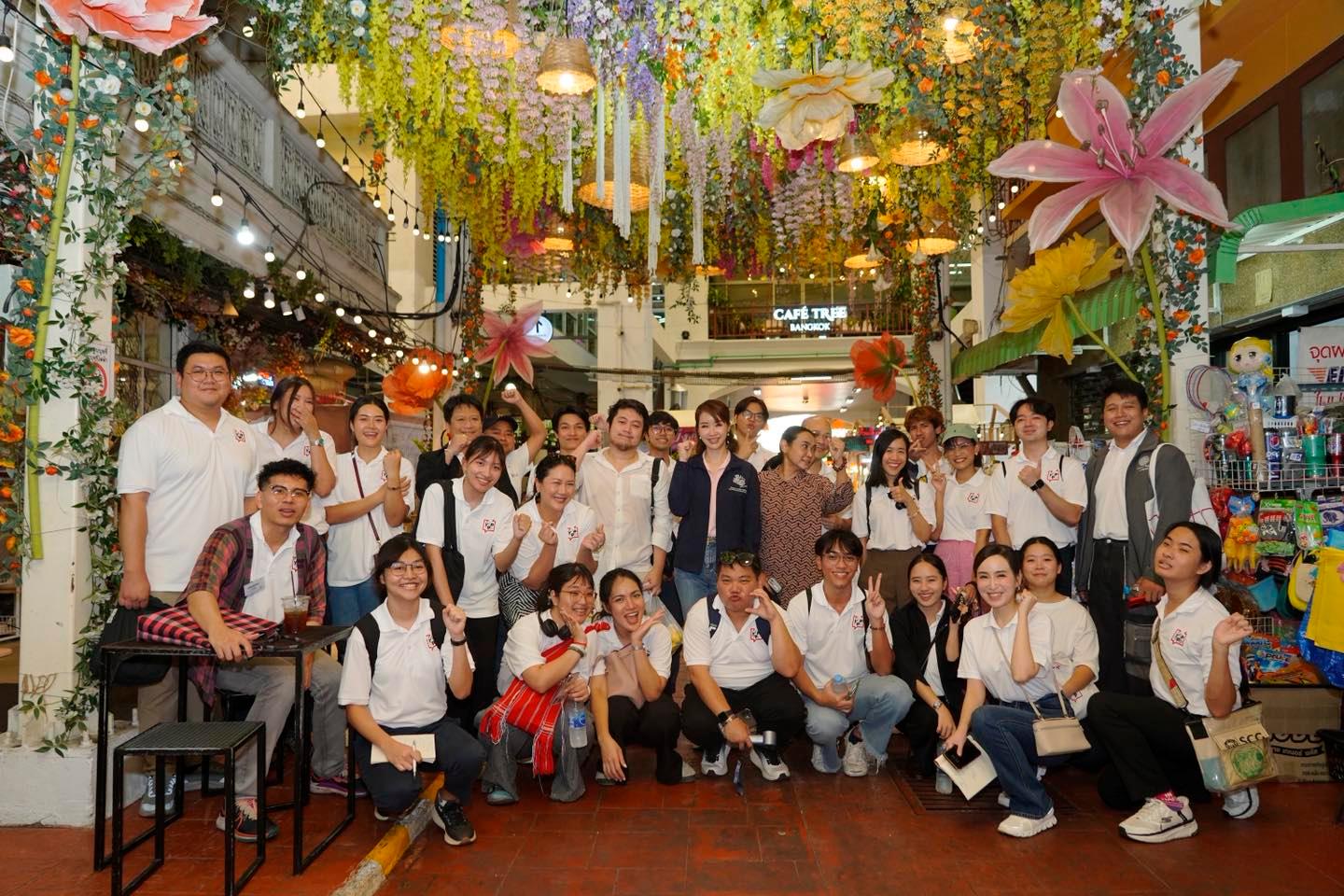
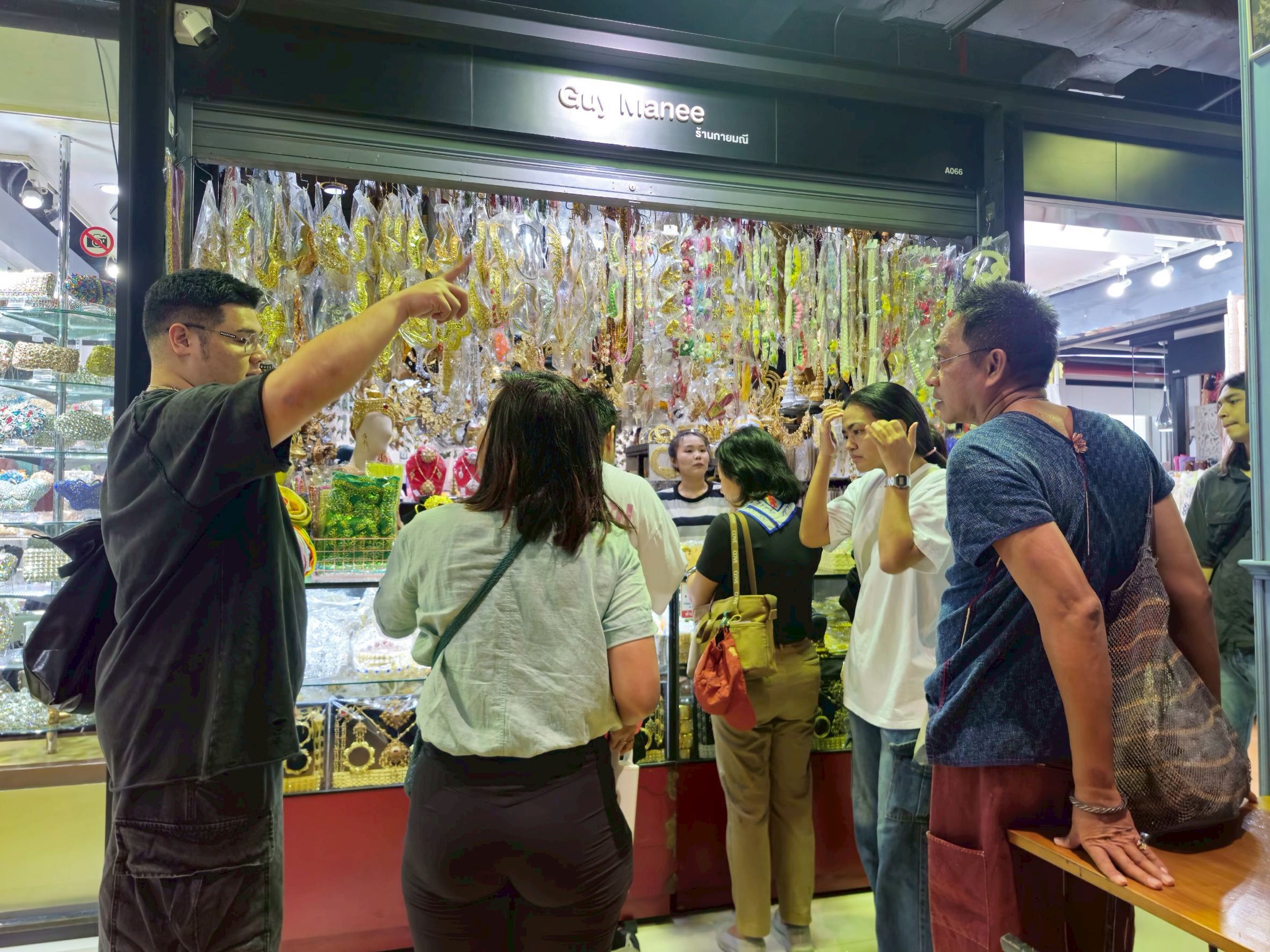
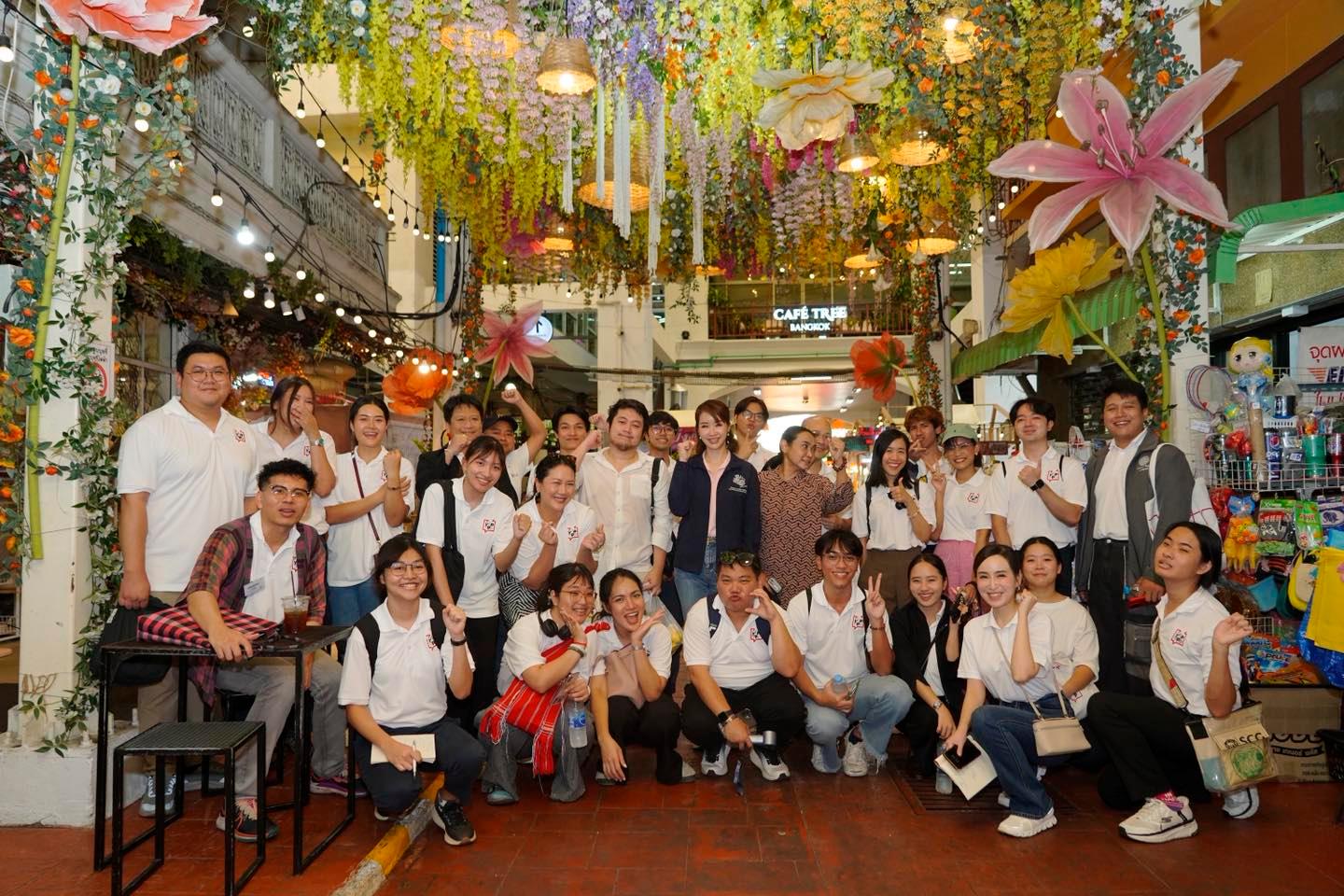
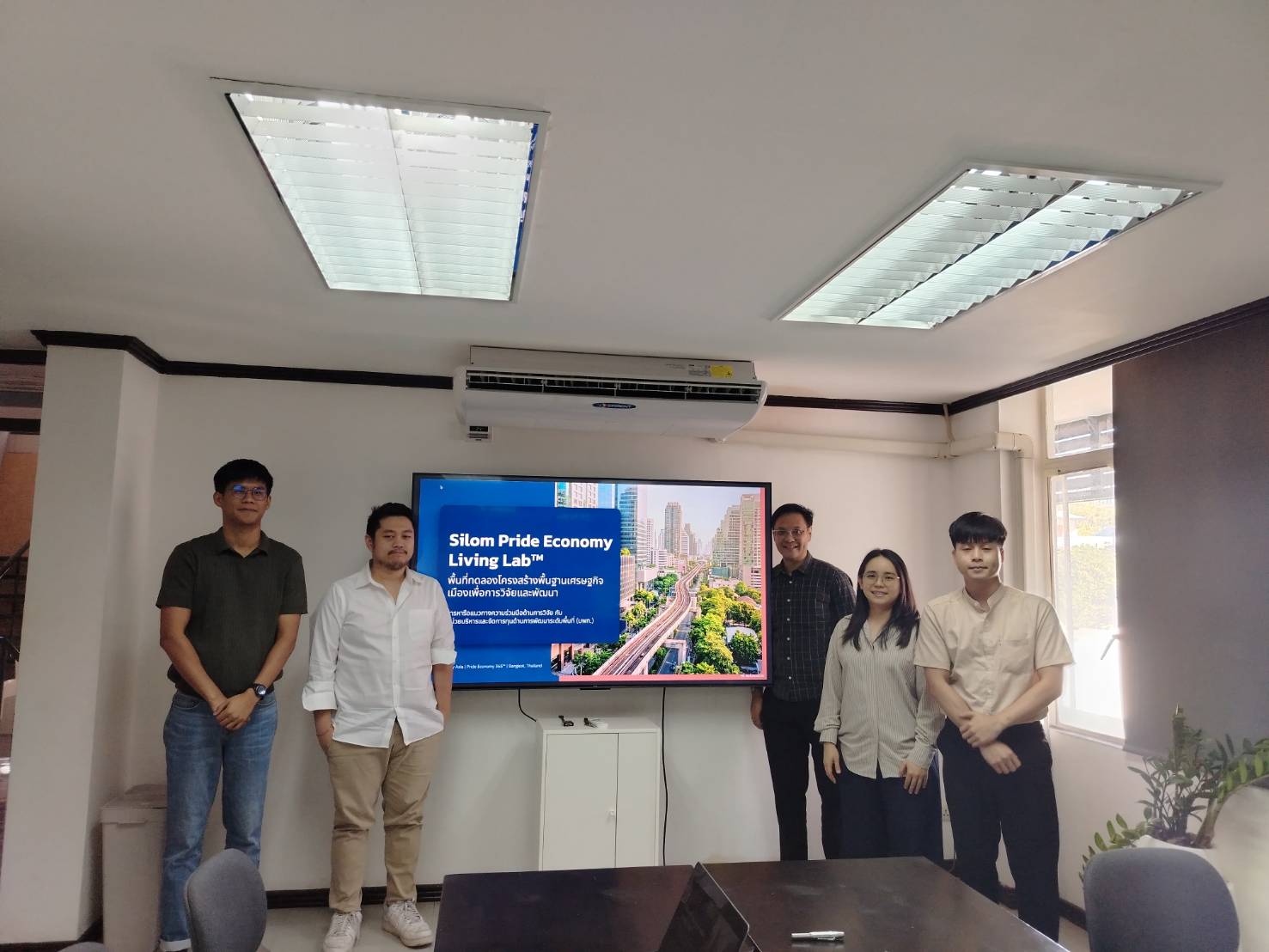
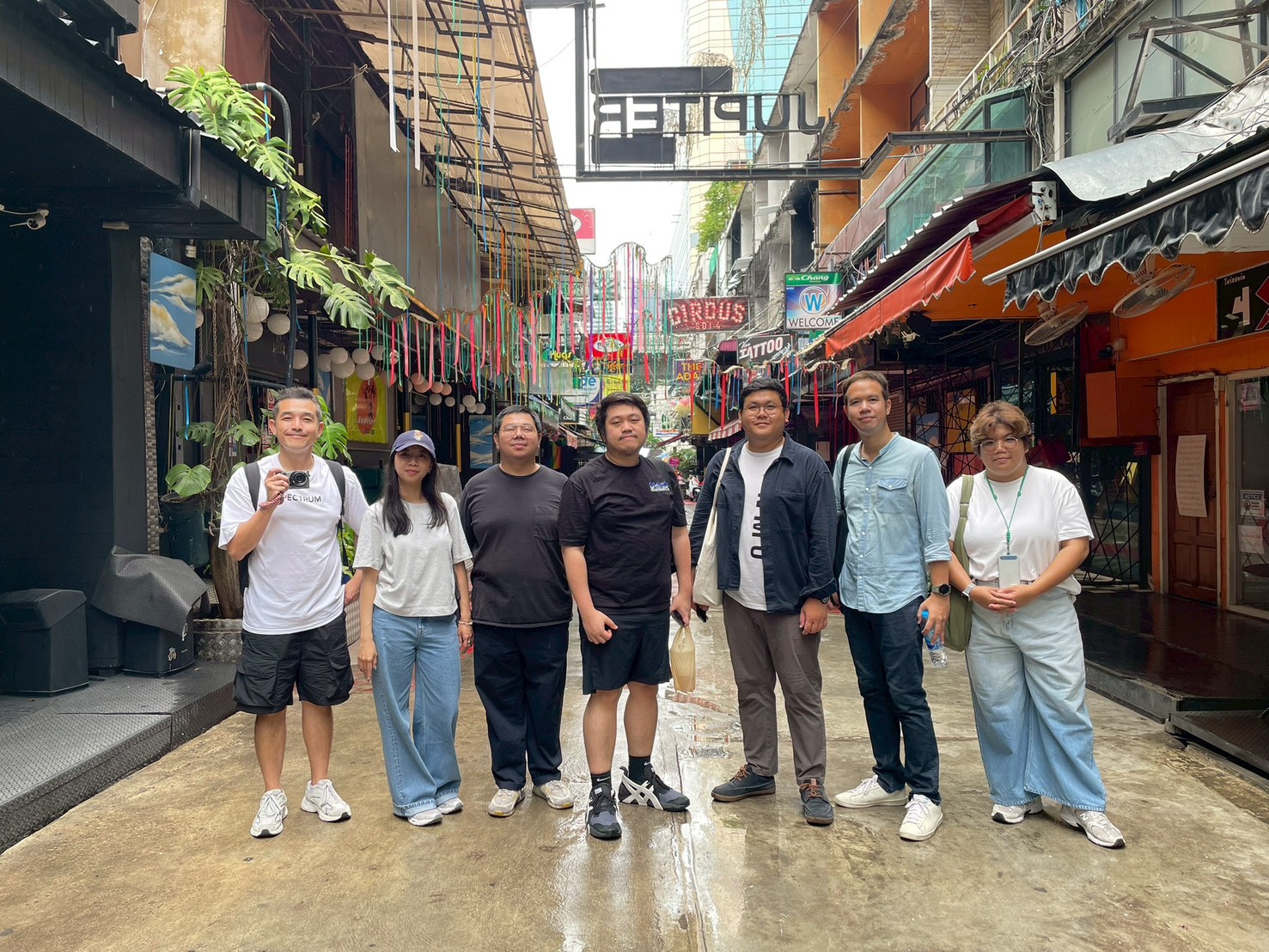
- 22 JulyPride Ready Asia joined the Spectrum team and urban practitioners on an informal walk through Silom to observe connections among local businesses, LGBTQ+ culture and daily life. The walk prompted questions about using the district as a place to study and develop people's experiences. It was one starting point for the Silom Queer Inclusive Living Lab, or SQILL, which uses listening and field observation to inform service design.
August 2025
- 27 AugustPride Ready Asia joined the YPP Policy Dialogue on Mobility for All to discuss transport costs, coverage and access. Mobility determines whether people can reach shops, cultural places and services across neighbourhoods. The discussion therefore added questions of access to Pride Economy Route™ alongside the choice of activities and destinations.
September 2025
- 6 SeptemberPride Ready Asia exchanged ideas with the YPP network about how materials from Sampheng, Phahurat and Khlong Thom connect to design, costumes and performance. Through the Queenmaker Economy idea, the team considered the creative workers behind the stage and the audience's experience. The proposed “From fabric to cabaret” narrative invited visitors to understand both material-supply districts and the places using their work, before developing it further as an experience route.
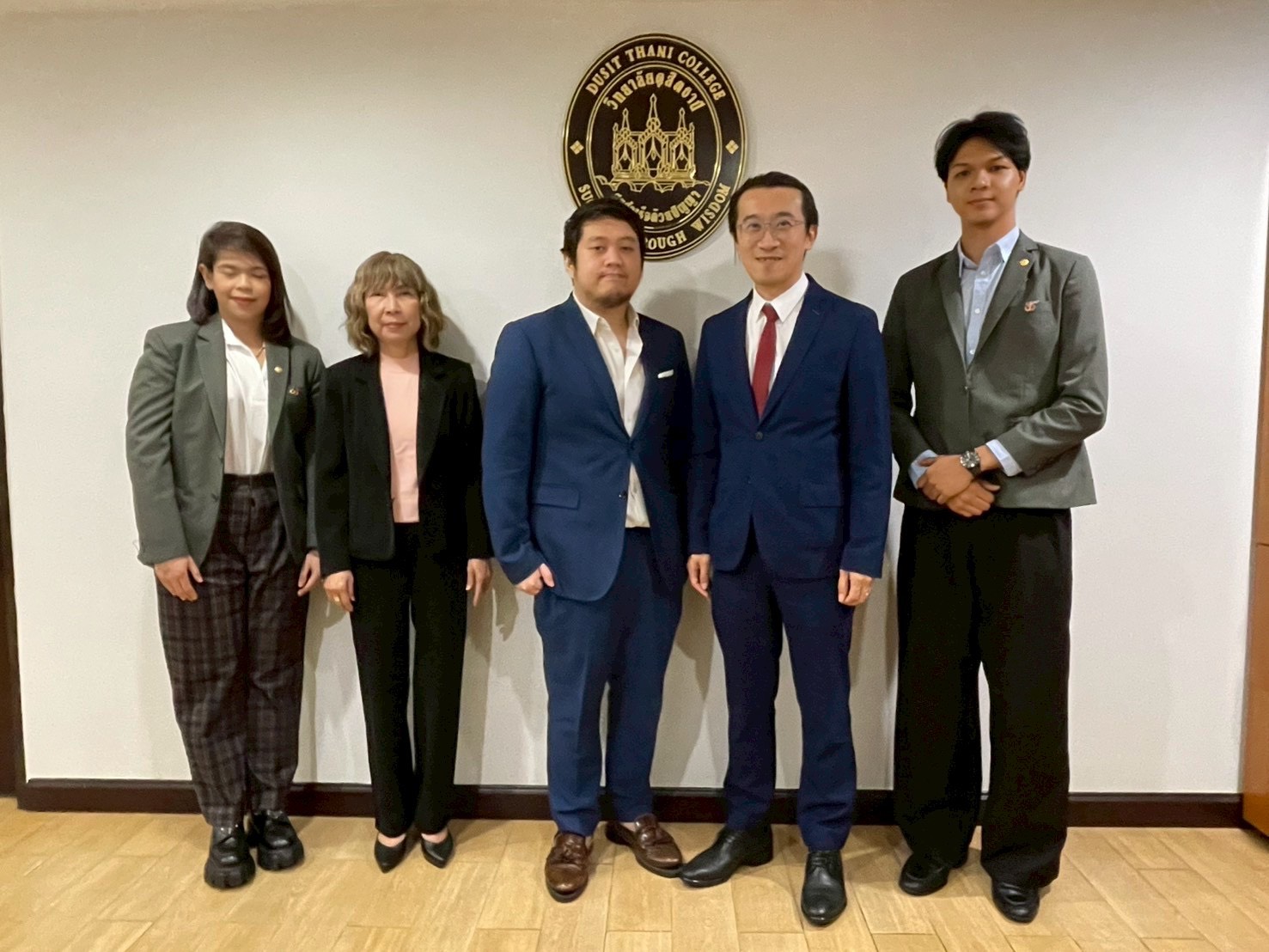
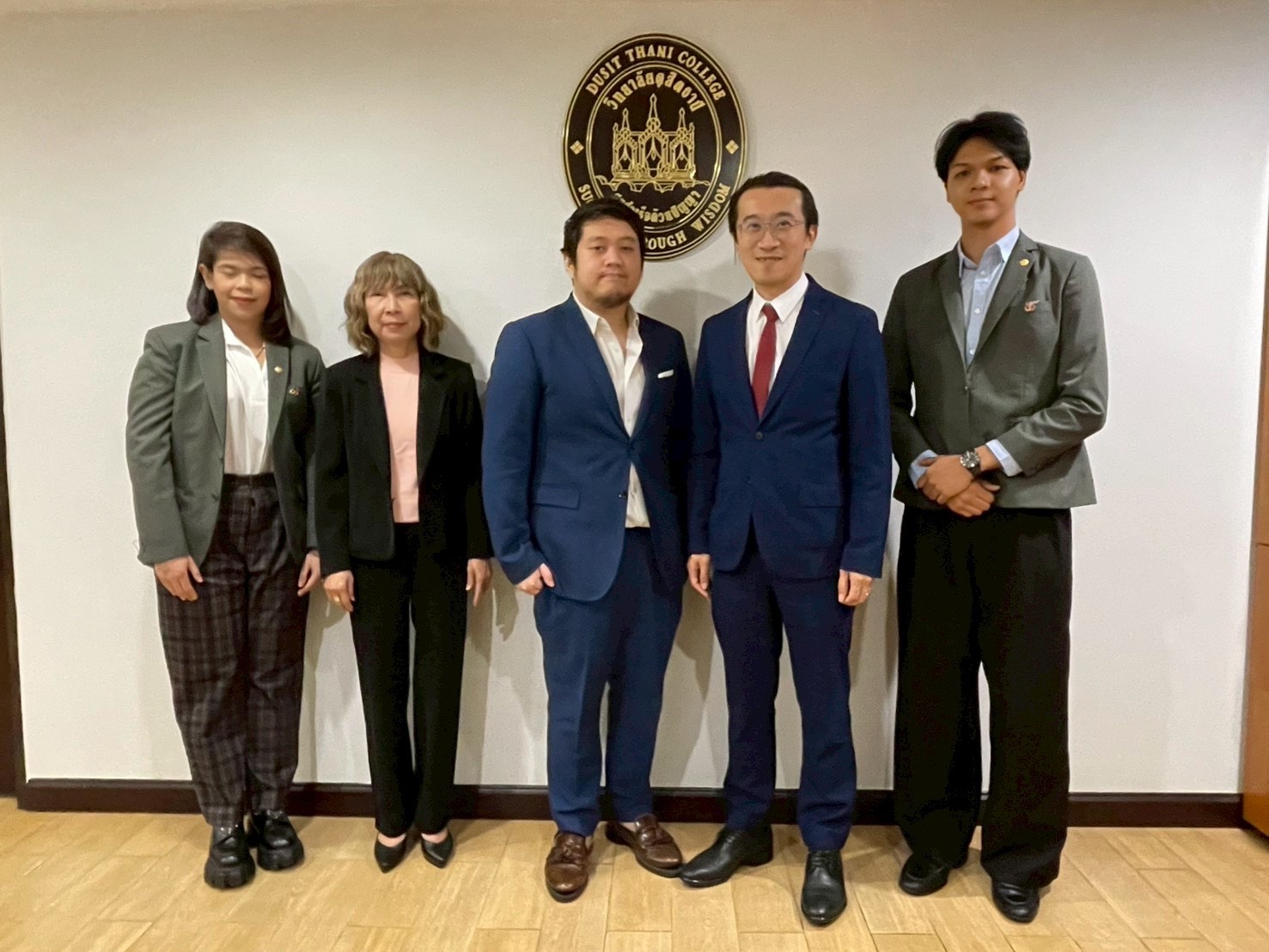
- 23 SeptemberPride Ready Asia discussed tourism and hospitality skills with Dusit Thani College's leadership, proposing Silom and Banthat Thong as places where students and businesses could encounter real service questions. City-Based Learning connects hospitality education with an understanding of people who have different service needs. The conversation opened questions about how a Living Lab could bring workforce learning and service development together.
October 2025
- 2 October–14 NovemberPride Ready Asia sent the Pride Ready and Silom Sandbox concept to the Thailand Productivity Institute (FTPI), proposing a connection between inclusive service criteria, training and a trial with businesses in Silom. In November, the team followed up with an executive summary and draft scope under the Inclusion as Productivity concept, while FTPI's coordinator said the material would be submitted to its leadership for consideration. The work at this stage was to develop a proposal for studying, improving and monitoring service readiness and quality at the business level.
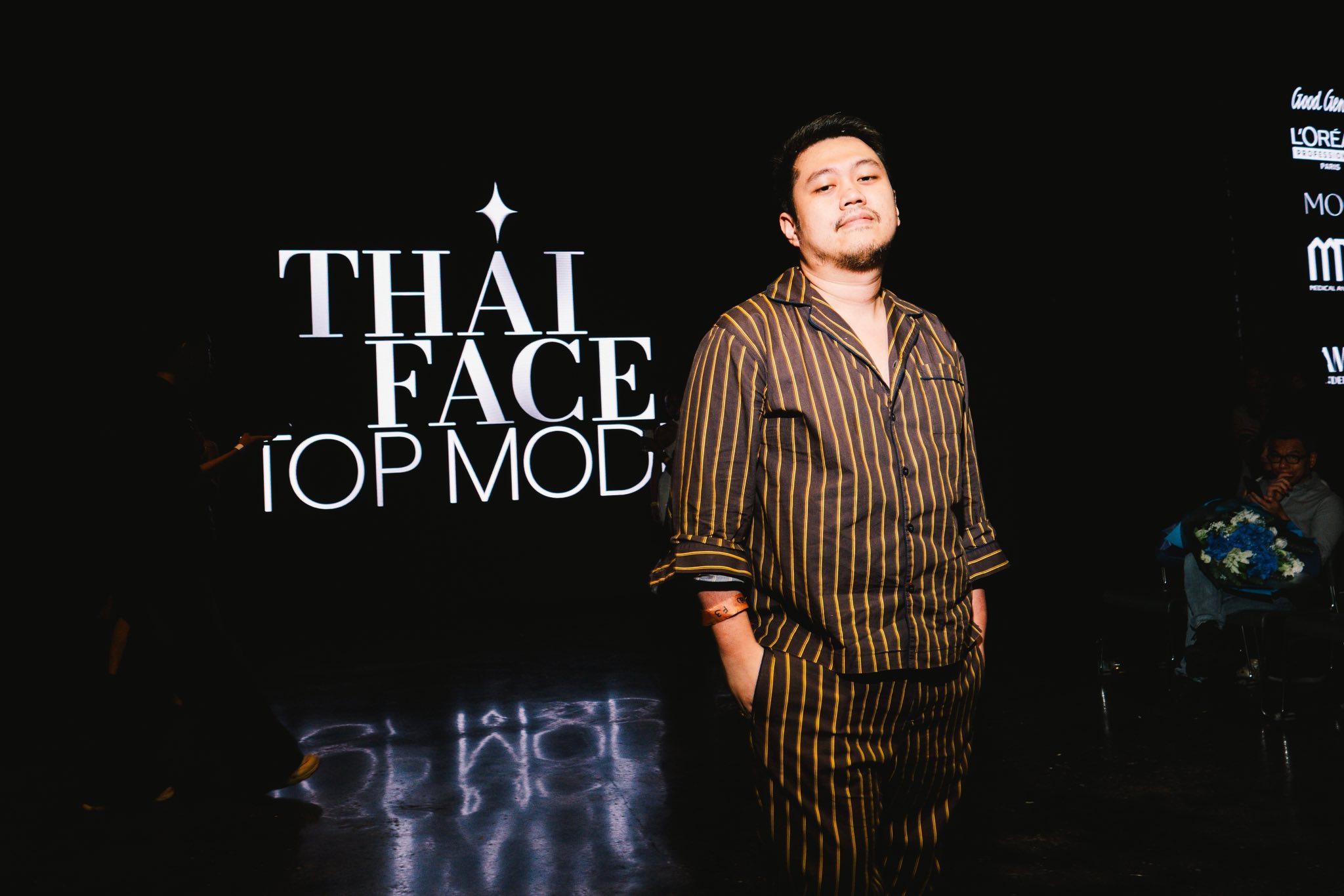
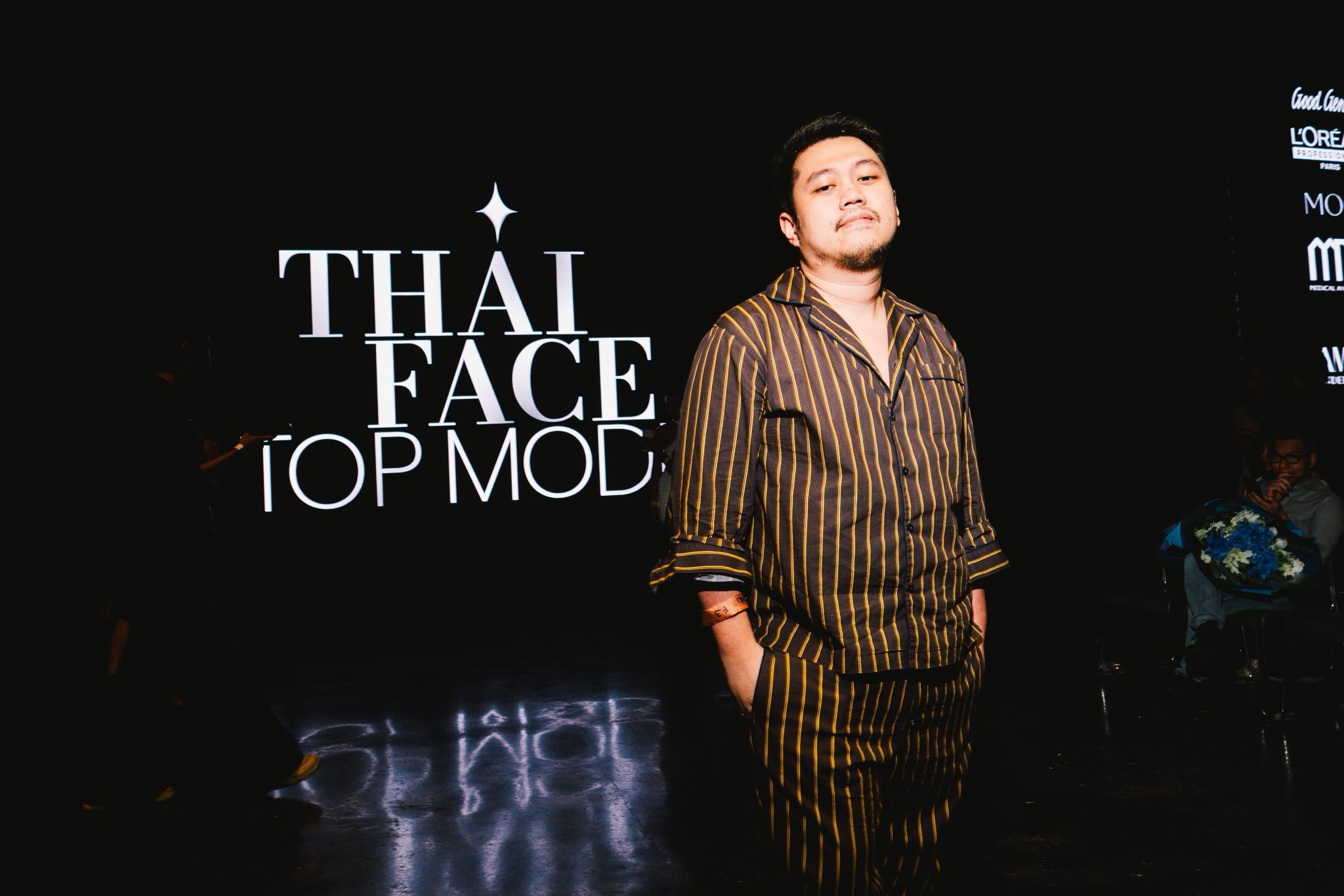
- 21 OctoberPride Ready Asia attended the Thai Face Top Model final through a YPP network activity and learned about the work of stylists, makeup artists, designers and production teams. Behind the performance are skills and businesses that contribute to the audience's experience. This entry forms part of understanding the creative workforce and service chains connecting culture with the visitor economy.
- 27 October–5 NovemberPride Ready Asia discussed its framework with IHRI and Dr. Drew B. Mallory; following the 27 October meeting, Dr. Mallory recommended aligning the proposed tool with the existing Inclusion Toolkit and requested research material and a timeline for further consideration. The team sent a draft Letter of Intent and project framework on 29 October, then received feedback on 5 November about the tool's structure and the need to test the economic model against real data. The exchange brought data collection, analysis and the synthesis of findings into the proposed service experiment while collaboration documents remained under revision.
November 2025
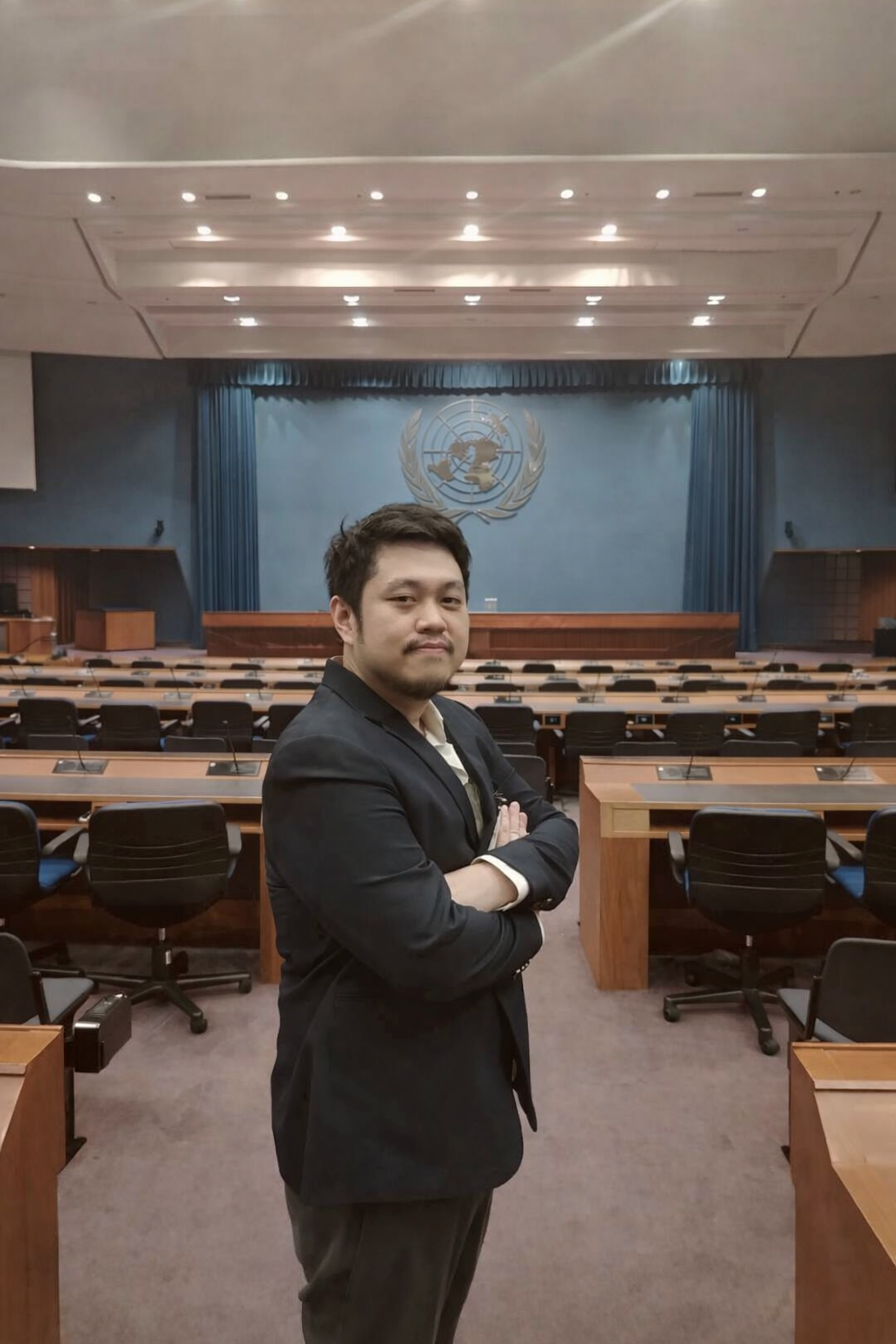
- 7 NovemberPride Ready Asia joined a Study Visit & Global Leadership Exchange in the context of UN SDGs Forum 2025, sharing experience of festivals, tourism and the creative economy with participants from several countries. The SDG framework raised questions about work, inequality and access to opportunities in cities. This learning brought community benefit into the consideration of neighbourhood businesses and services.
- 15 NovemberPride Ready Asia met online with Assoc. Prof. Dr. Charoenchai Agmapisarn of NIDA's Graduate School of Tourism Management and received research on inclusive tourism and rainbow destinations. He referred the team to other relevant researchers and explained the scope of his own expertise. This exchange added tourism literature to the development of the neighbourhood and service concept before the meeting with the school's leadership later that month.
- 19 November–19 DecemberThe team was notified of its selection for Learn Lab Power 2025 and developed “Pride Ready™: AI for Inclusive Service Excellence” for consideration in the next stage. A 17 December form receipt records submission of links to a pitching video, a one-page summary and a deck, followed by additional files sent by email on 19 December after the team reported an upload problem. The project placed AI within the development of inclusive service quality, connecting with the Living Lab's questions about tools that could support service delivery.
- 21–24 NovemberPride Ready Asia sent Wisesight background material proposing a discussion of social listening, perceptions and signals of trust alongside provider information and impact data. Wisesight confirmed an appointment at its office for 13:00 on 24 November, following a change from the original 21 November schedule. The prepared question was how people's perceptions of safety and service could be considered alongside an assessment of readiness in the district.
View 1 more recordsShow fewer records
- 26–27 NovemberPride Ready Asia met the leadership of NIDA's Graduate School of Tourism Management at the appointment scheduled for 26 November and sent follow-up material in the early hours of 27 November. The package included the SDG Localization Tool and Silom 365 Inclusion Economy District Prototype concepts, together with a draft support letter for the school to consider. The discussion connected the district experiment with academic feedback, with research methods and the scope of any further work still to be developed.
December 2025
- 5–11 DecemberPride Ready Asia contacted Social Value Thailand to explore how to assess the social value of hospitality, spa and other services in Silom. The team prepared questions about felt safety, self-expression and ways to protect participants when collecting information, ahead of an appointment on 11 December. This connected visitor experience with an evaluation method still to be developed.
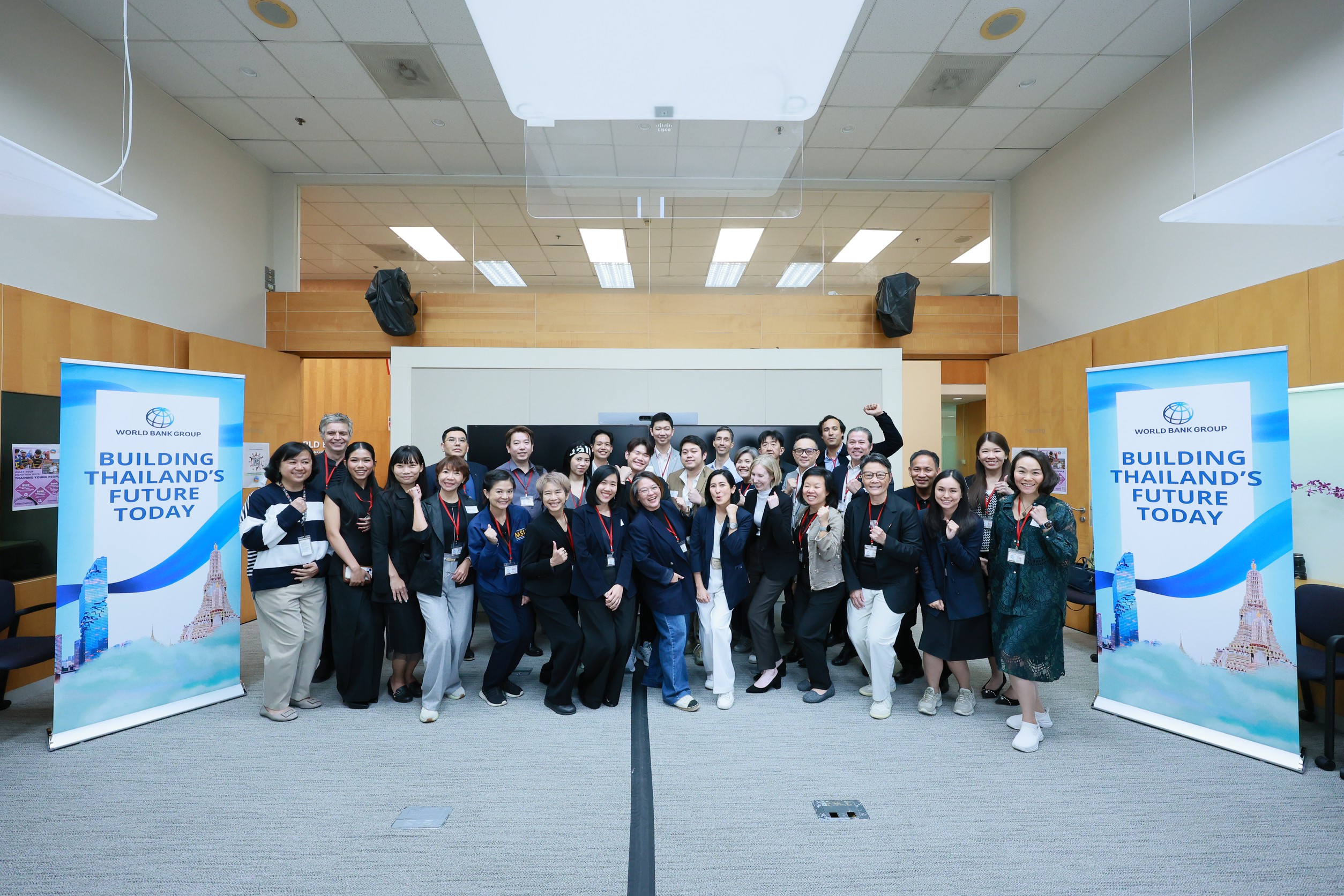
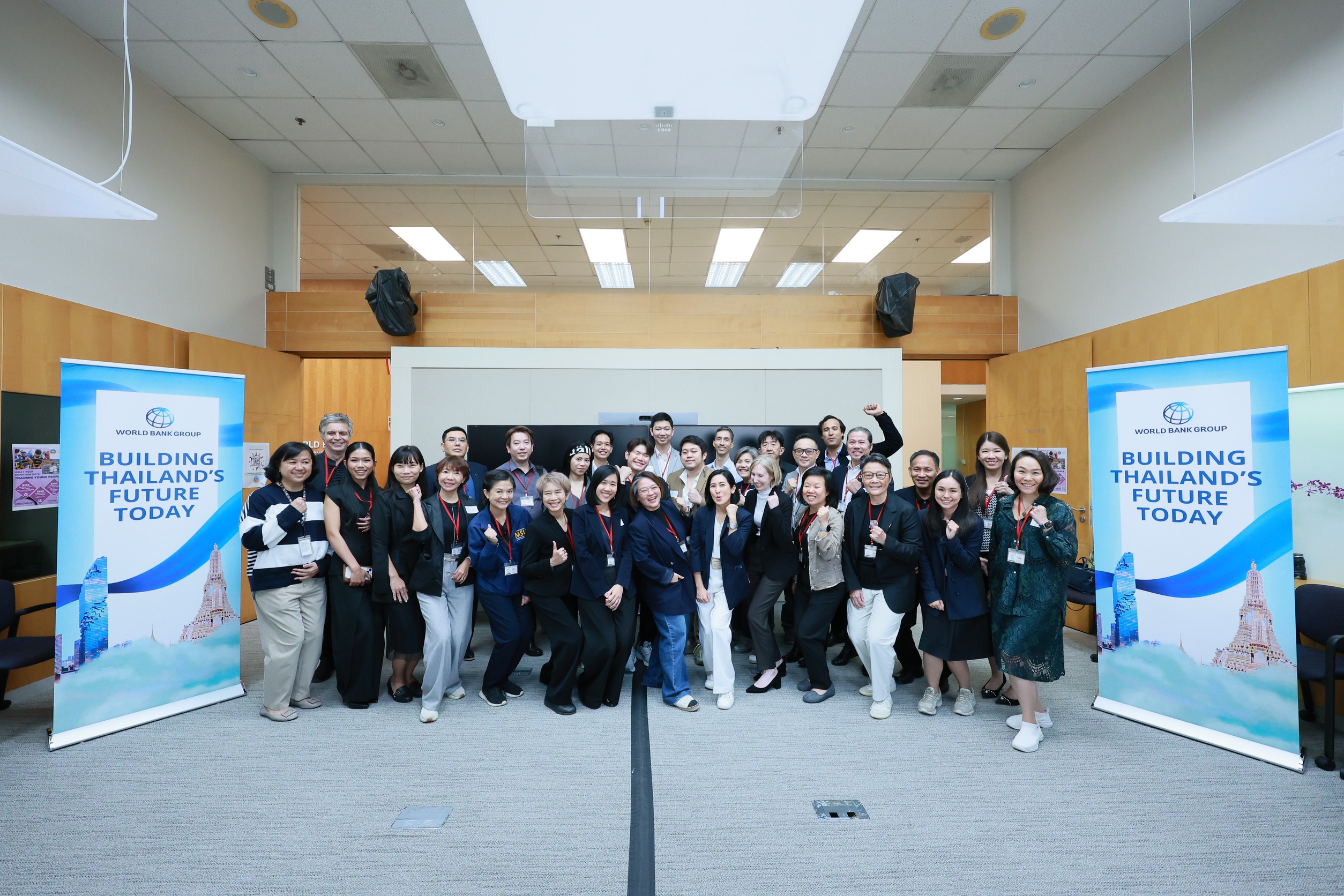
- DecemberPride Ready Asia joined the World Bank Thailand Foresight Workshop on sustainable tourism, wellbeing and the creative economy, contributing experience from LGBTQ+ tourism and events. The foresight process considered how people's needs and urban services might change. These themes provided a framework for revisiting district-level questions about visitor experiences and service-provider readiness.
- 10 DecemberThe Pride Ready Asia team visited Silom to speak with businesses and creative workers in the night-time economy. The fieldwork connected questions from the foresight discussion with workplaces, cultural activities and experiences in the actual neighbourhood. The log set out an intention to use these observations and conversations to inform further route and service ideas.
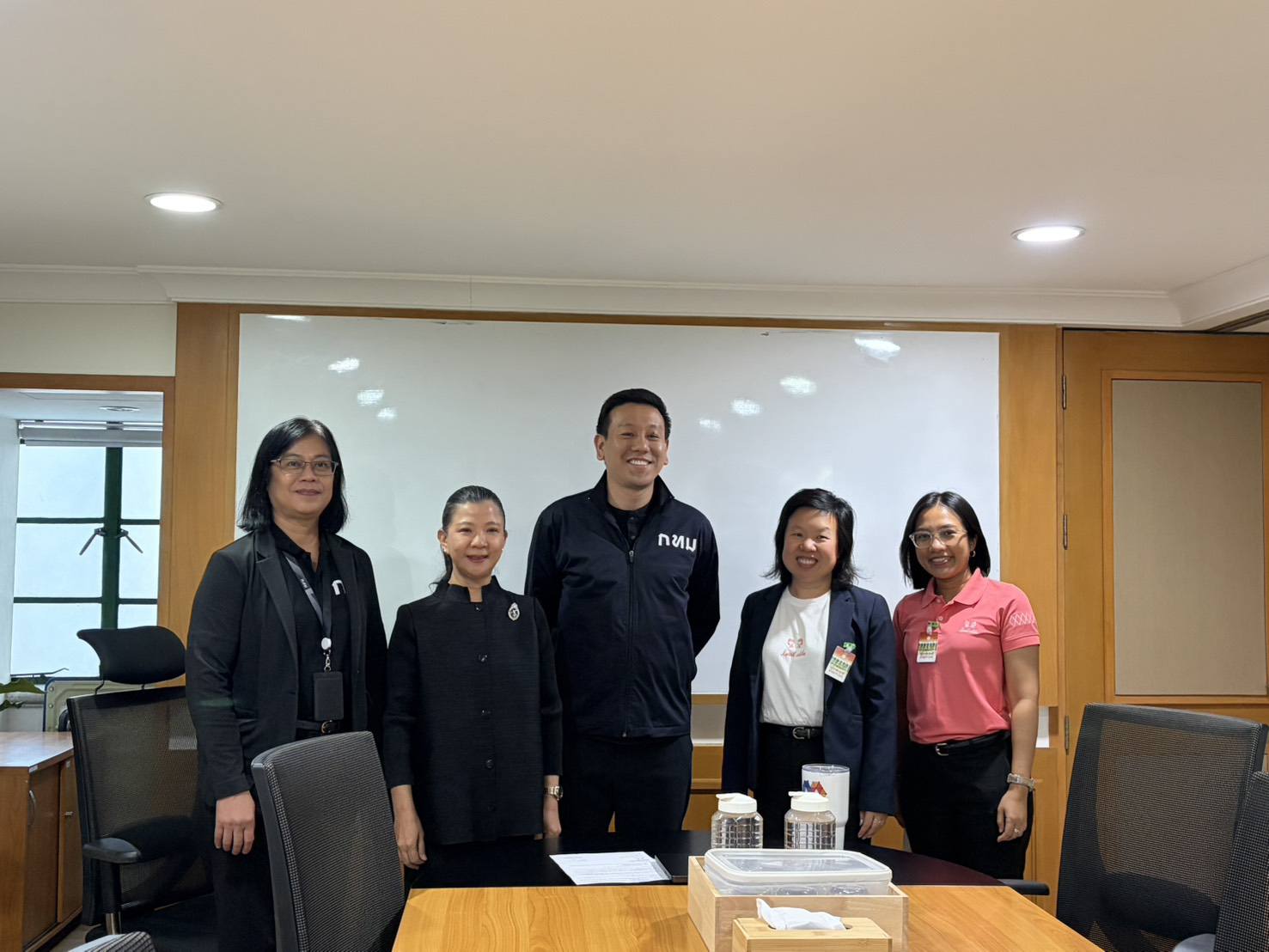
- 11–17 DecemberFollowing an encounter at a World Bank event, Pride Ready Asia contacted Local Alike to explore how Pride Economy 365™ could connect community tourism with income returning to communities or civil-society organisations. Local Alike proposed meeting its leadership team in January, and the two sides began comparing available dates. This coordination extended the visitor-experience question to who could benefit from activities and services in the area.
View 1 more recordsShow fewer records
- 14–24 DecemberPride Ready Asia sent a request for technical advice to a World Bank contact about a small service-economy experiment in Silom, asking how trust, safety, quality of life, service performance and income might relate. The brief requested feedback on the model's causal logic, incentives, risks and potential application in other settings. On 24 December, the contact said she would respond after the New Year, so this stage opened questions about the experiment's assumptions for further comment.
January–March 2026: Broadening the discussion on places and services
The early months brought route fieldwork, conversations with businesses and exchanges with researchers, event organisers and health networks. These discussions helped the team consider year-round tourism through transport, information, service skills and visitors’ needs.
January 2026
- 14 JanuaryRewat Tunton attended PRIDE VOTE: Vote Me If You Can on behalf of Pride Ready Asia, listening to discussions about rights, equality and wellbeing for LGBTQ+ people. These topics connect with a Living Lab question: how should neighbourhood hospitality account for people's rights and experiences, from communication to access to everyday services?
- 22 JanuaryPride Ready Asia and Young Professionals Program (YPP) members presented the WE PRIDE idea, connecting festivals, wellbeing and tourism with the creative economy. The proposal widened the view from short event visits to travel, everyday life and longer stays. It provides a framework for asking how Silom's services could respond to different visitor needs.
- 28 JanuaryPride Ready Asia shared the Bearcation Bangkok direction with BearWorld Magazine, describing how experience from Bangkok Songkran Bear Week could develop into journeys connecting nightlife, culture, local venues and everyday social encounters in the city. The concept considered what travellers do over several days in Bangkok and the relationships that encourage them to return. It connected festival experience with questions about routes and year-round services under Pride Economy 365™.
February 2026
- 4 FebruaryThe team spoke with Chakaruna about considering wellbeing, culture and a sense of belonging in the development of urban services. For SQILL, this raises questions about how people feel while using places and joining activities, and how experiences can account for both visitors and the community.
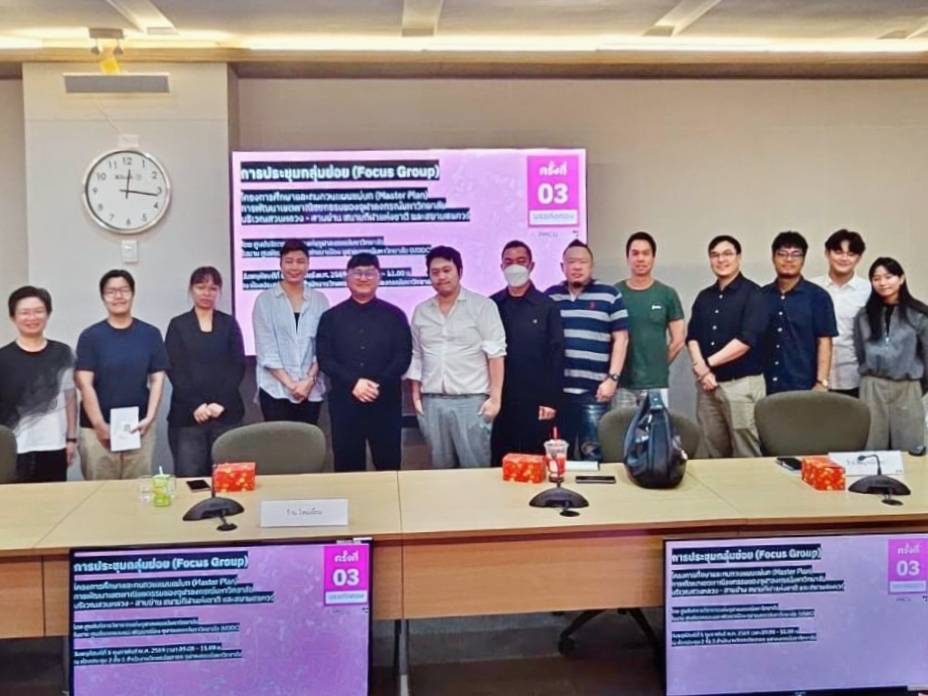
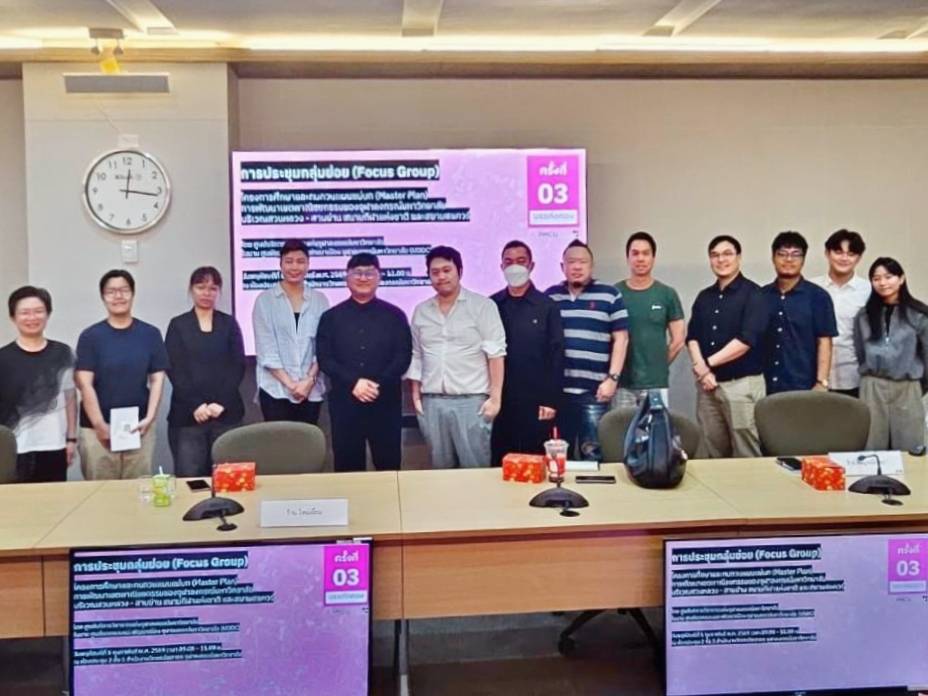
- 5 FebruaryPride Ready Asia joined a focus group with the Banthat Thong business association as part of PMCU and UDDC's area study, and discussed ideas for connecting Banthat Thong with Silom. The log pays attention to people's movement between a food district and areas of night-time activity. This provides a question for route design that considers travel and services as a connected experience across places.
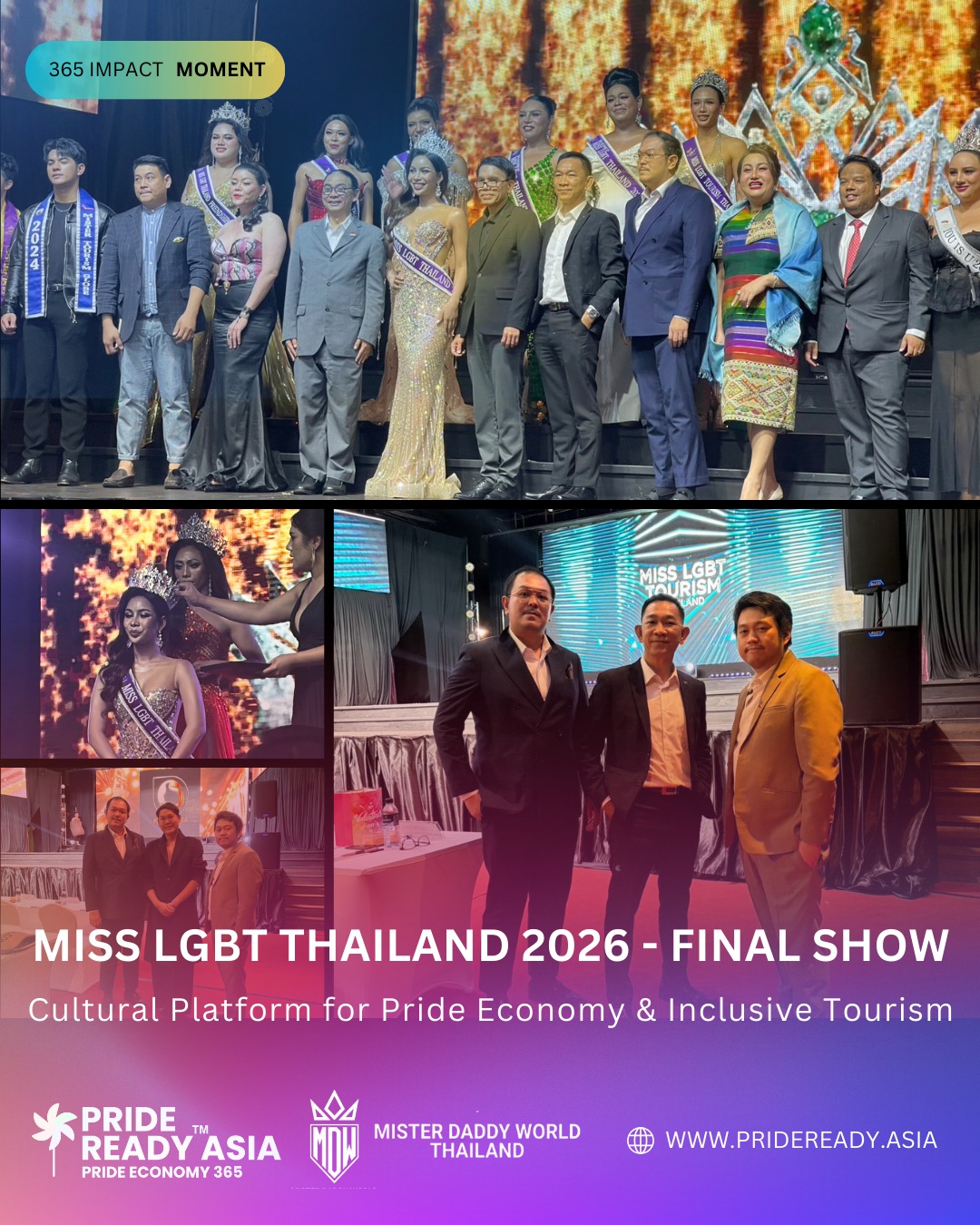
- 7 FebruaryThe Miss LGBT Thailand 2026 Final Show entry documents a setting where LGBTQ+ communities communicate culture and tourism through pageantry and performance. Within this Living Lab story, the event provides context for understanding the creative workers and services behind an attendee's experience. It opens questions about connecting cultural activities with learning and services in the neighbourhood.
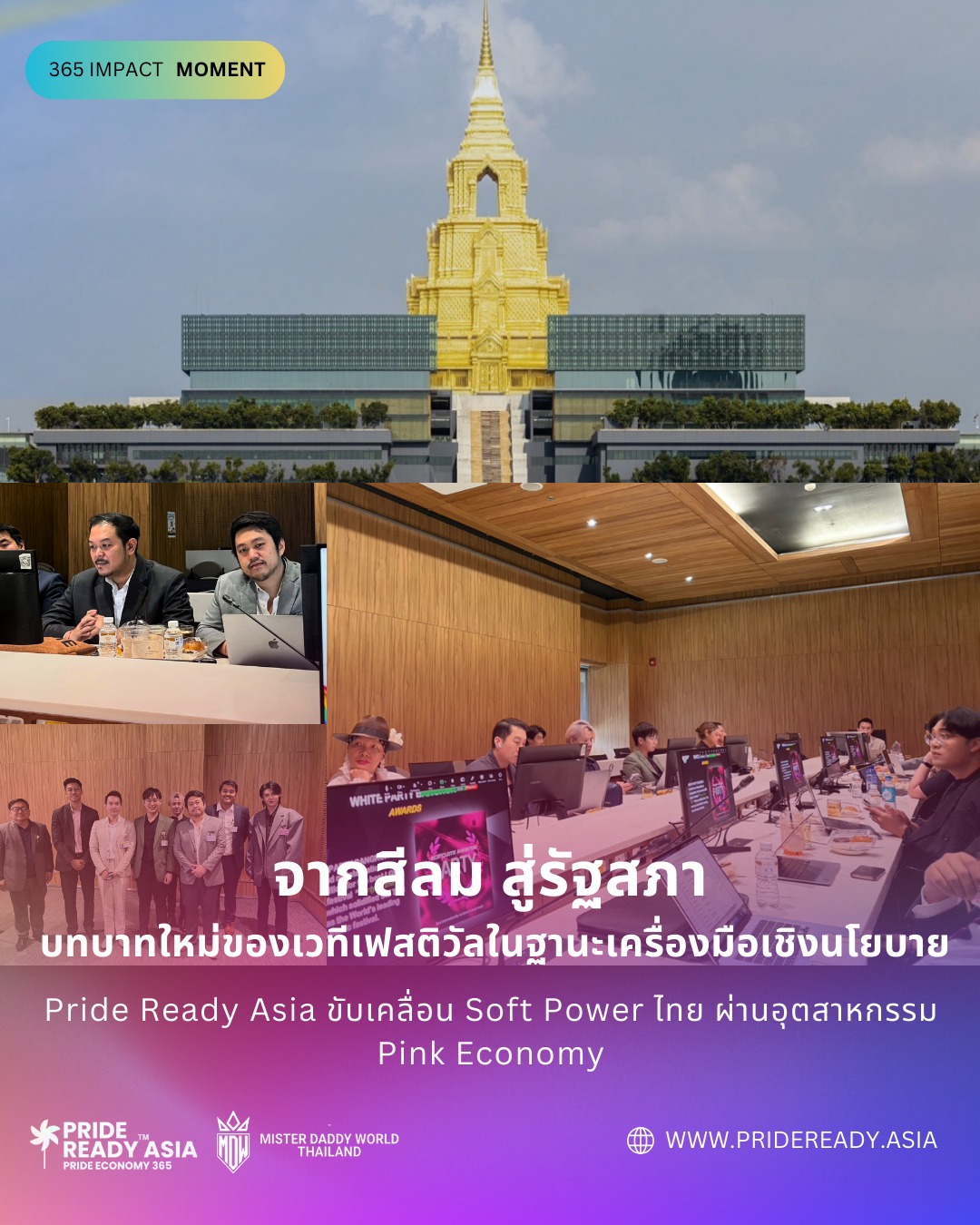
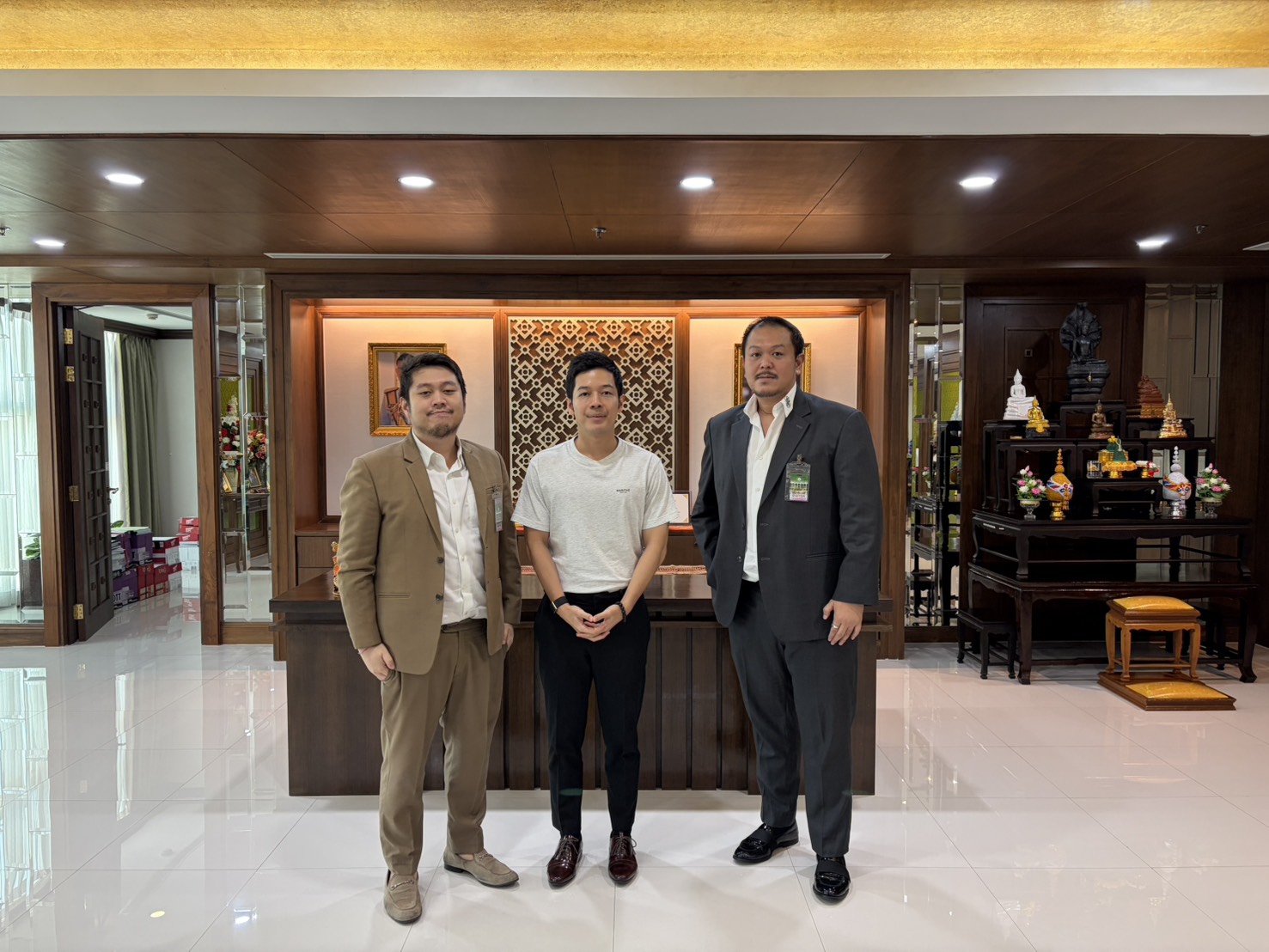
- 11 FebruaryPride Ready Asia shared experience from festivals and events with the Senate Committee on Foreign Affairs, proposing that tourism and services be considered throughout the year. This brought practitioners' questions into a policy discussion. For SQILL, the related question is which services and activities could support visitors beyond festival periods.
View 7 more recordsShow fewer records
- 13 FebruaryThe team met TCEB and industry practitioners to discuss connections among Pride, meetings, exhibitions, festivals and tourism. The exchange covered place design, communication and access to services. Applied to Silom, these topics raise questions about how events could connect with neighbourhood services and travel, so an attendee's experience continues into the surrounding city.
- 17–23 FebruaryPride Ready Asia updated Healthy Space Forum on the Silom Living Lab concept, proposing to study how experiences of urban space and inclusive services relate to belonging and repeat visits. Healthy Space Forum replied and proposed a 4 March appointment to exchange updates and discuss the approach. This coordination connected visitor questions with urban knowledge before the discussion recorded in March.
- 23 FebruaryPride Ready Asia spoke with the founder of G-Circuit about LGBTQ+ event experience and invited them to share an industry perspective in a proposed Pride Economy Forum. The conversation linked organisers' knowledge with questions about generating travel demand and preparing visitor experiences. For the Living Lab, the related question is how neighbourhoods and local businesses can prepare services for visitors arriving around an event.
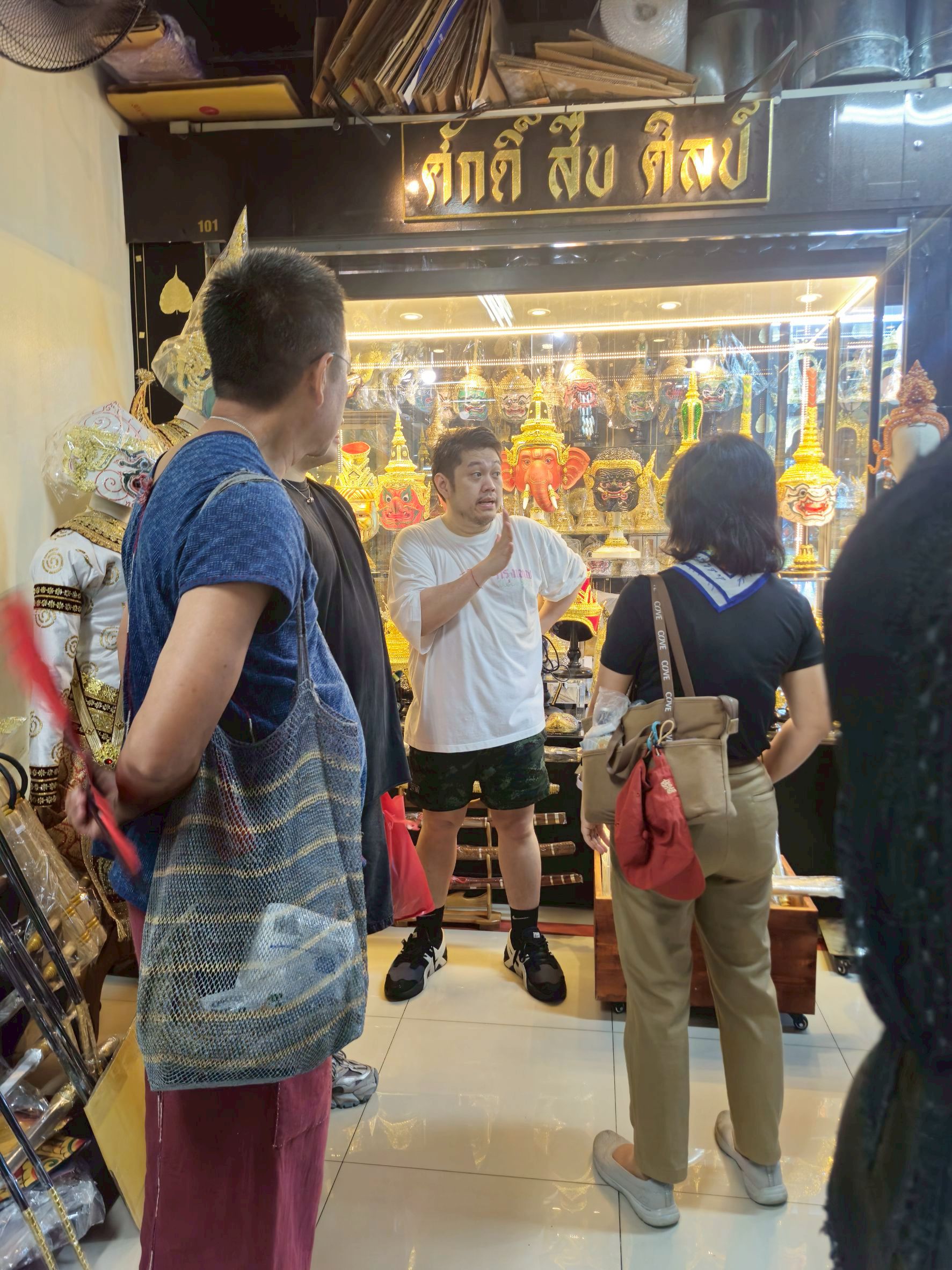
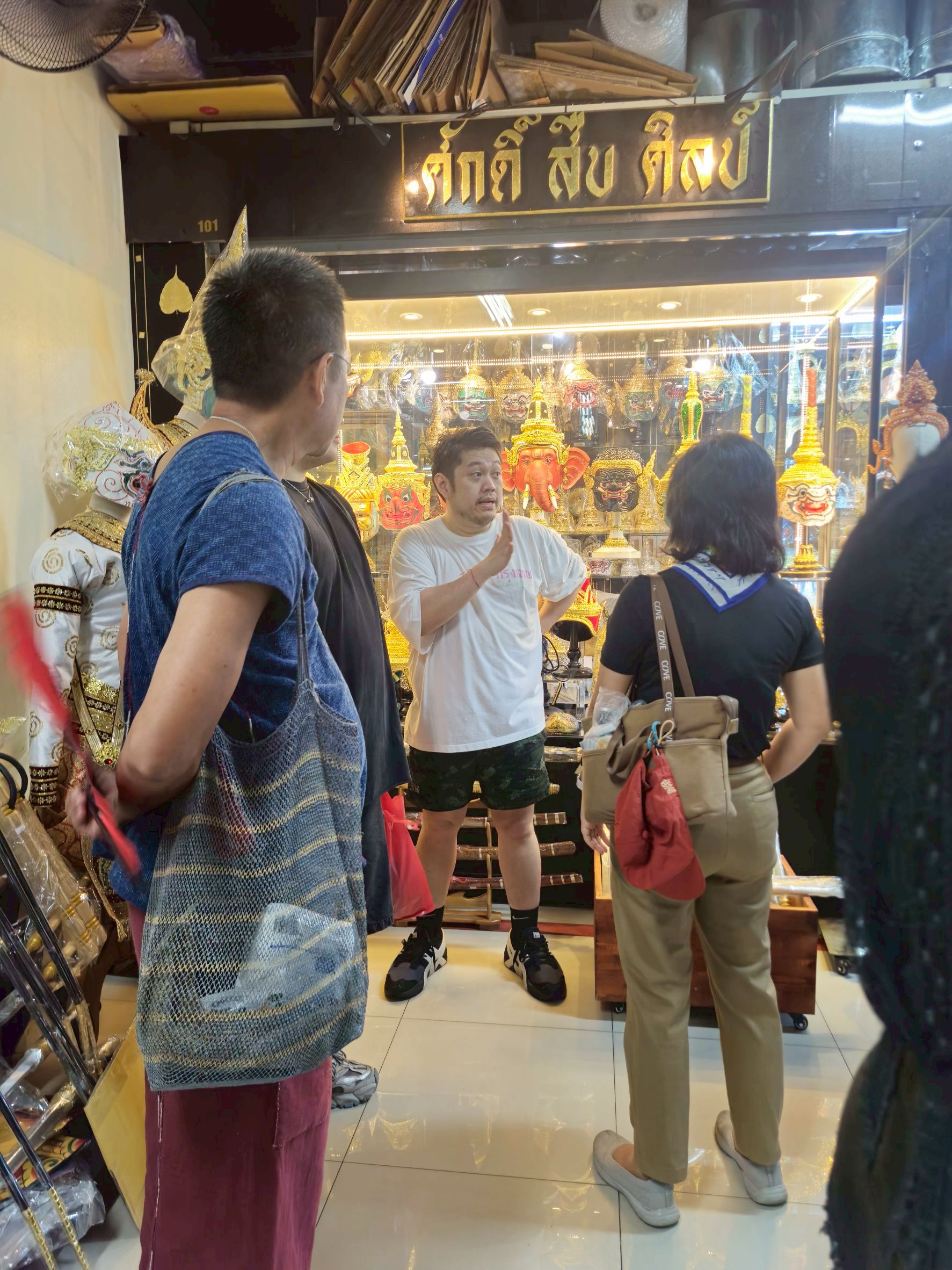
- 25 FebruaryThe team went into the field with Local Alike to explore the “From fabric to cabaret” idea, connecting material districts such as Phahurat and Sampheng with performance in Silom and Charoenkrung. Looking along the route from materials to the stage creates room for producers, shops and people working behind the scenes in experience design. This work was at the stage of developing a route idea through which visitors could learn about creative businesses.
- 25 FebruaryPride Ready Asia discussed a possible creative route and workshops in Sampheng with Local Alike and Hong Garment Accessories. The idea was for visitors to learn about materials, skills and creative processes from businesses in the area. Further development would need to consider how visitors are welcomed, how knowledge is shared and what businesses can practically take part in.
- 26 FebruaryA set of photographs records the context of a Silom route survey and experiences along the way. The images provide material for reviewing the environment and framing questions for further visits. Understanding the readiness of individual services still requires information from users and providers.
- 27 FebruaryPride Ready Asia joined the Thai Real Estate Broker Association in a discussion with the Bank of Thailand about the property market and factors related to long-term stays. This widened the context from short visits to everyday life and services people need to access over time. For SQILL, it raises questions about information, mobility and daily services for people spending longer in a neighbourhood.
March 2026
- 4 MarchThe team discussed with the Healthy Space Forum network how wellbeing, quality of life and services could connect through a Silom Living Lab. The conversation considered the urban environment alongside people's comfort and experiences of using places. This helps explain why SQILL's questions cover both physical settings and access to information and services, topics that continued into the October discussion.
- 10 MarchPride Ready Asia met NIDA's Graduate School of Tourism Management to discuss data and research for tourism that serves diverse groups. Topics included visitor journeys, place-based data and approaches to studying services. The research discussion connects with the Living Lab's need to explain what people encounter during a journey and where services could improve.
- 10 MarchThe log records a discussion between the Bangkok Metropolitan Administration's Culture, Sports and Tourism Department and Local Alike about urban regeneration and community tourism. This entry provides neighbourhood-development context centred on local identity and community participation. It relates to the Pride Economy Route™ question of how visitor experiences could connect with businesses and benefits in the area.
- 11 MarchPride Ready Asia discussed learning, community participation and inclusive hospitality with the Pride Show Bangkok team. The exchange formed part of related event work concerned with visitor services.
View 14 more recordsShow fewer records
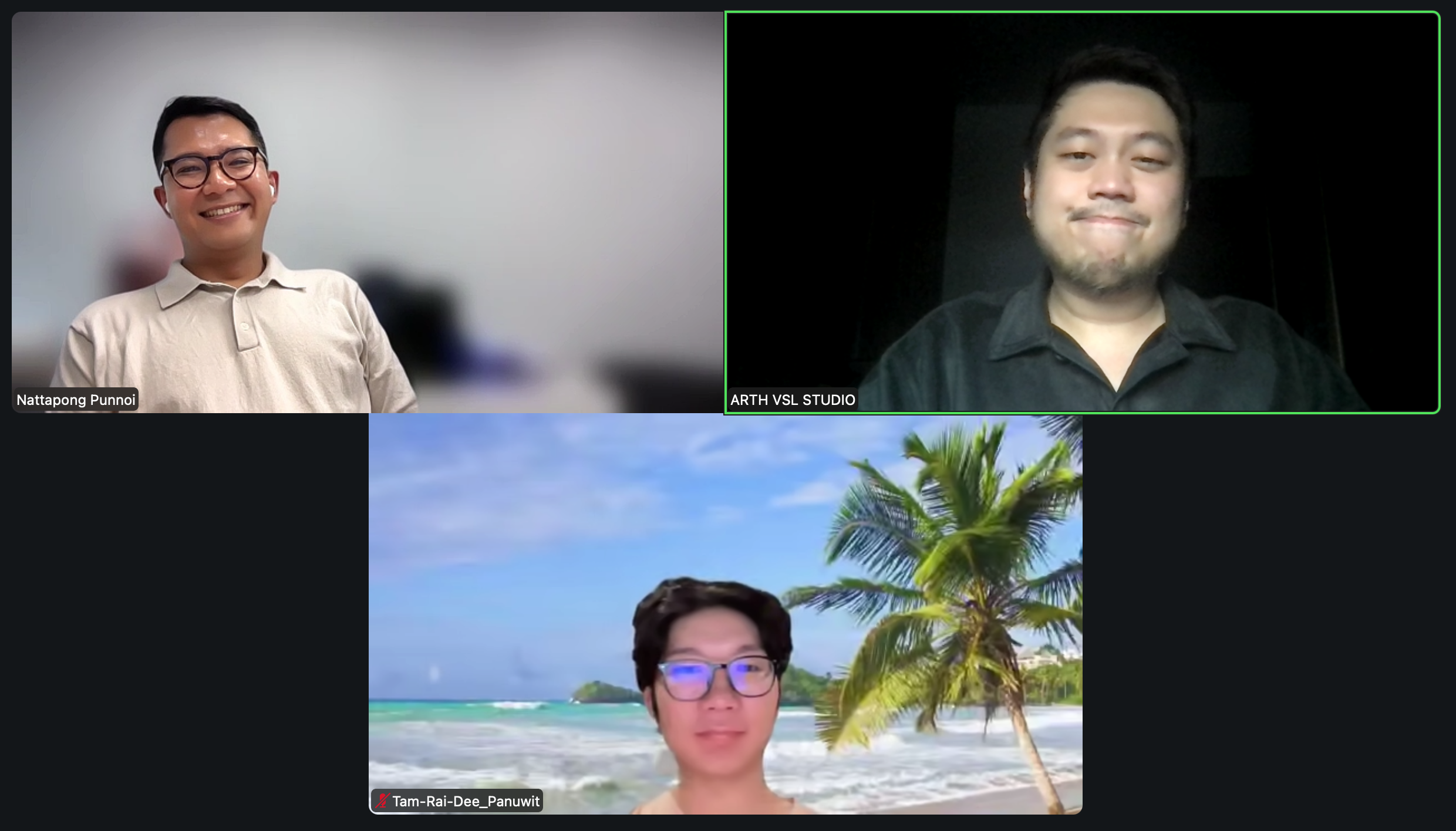
- 13 MarchThe team exchanged ideas with Chulalongkorn University's Assistant Professor Dr Nattapong Punnoi about urban data, travel behaviour and using an understanding of people to inform service design. These topics call for studying relationships between places and people's movement. For SQILL, data has a role in shaping questions about routes and service connections as well as documenting individual locations.
- 13 MarchPride Ready Asia joined APCOM and the Pride Show Bangkok team to discuss the role of LGBTQ+ communities and business perspectives. The conversation brought a community organisation’s viewpoint alongside questions of events and economic opportunity.
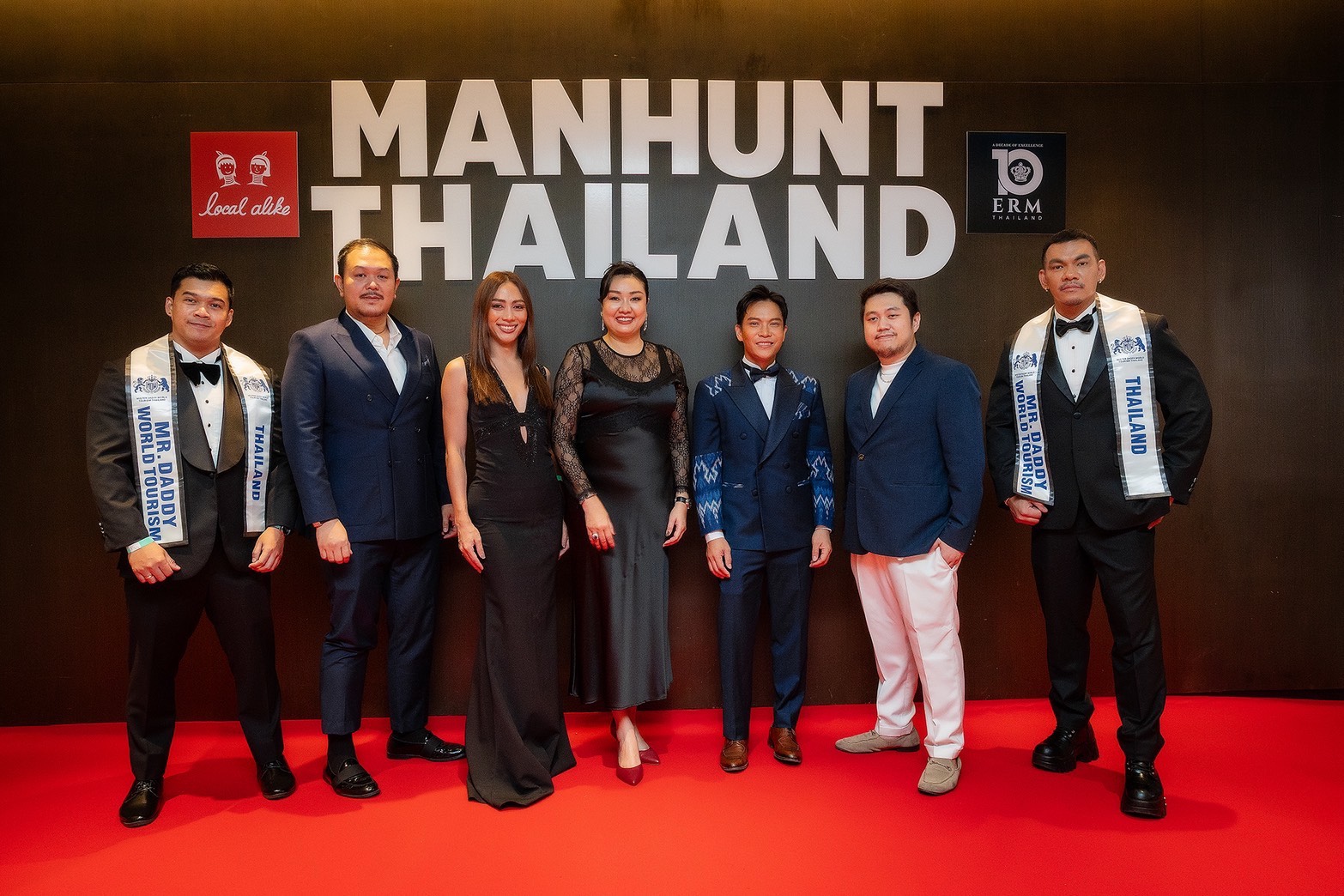
- 14 MarchPride Ready Asia and Daddy World Thailand attended Manhunt Thailand 2026 Final Night, exploring connections among pageantry, fashion and creative workers. The log describes a fashion presentation using local woven textiles, offering a view of how materials, skills and culture become stage experiences. This relates to the creative-route idea being developed between places of production and performance.
- 17 MarchPride Ready Asia discussed the Genderator Impact Engine and Marketplace ideas with APCOM and other participants as ways to connect organisations and service providers working on diversity. The exchange covered service offerings, data and ways to follow the results of the work. In a Living Lab context, it contributes to thinking about how knowledge and providers could connect with business needs, while remaining at the idea and discussion stage.
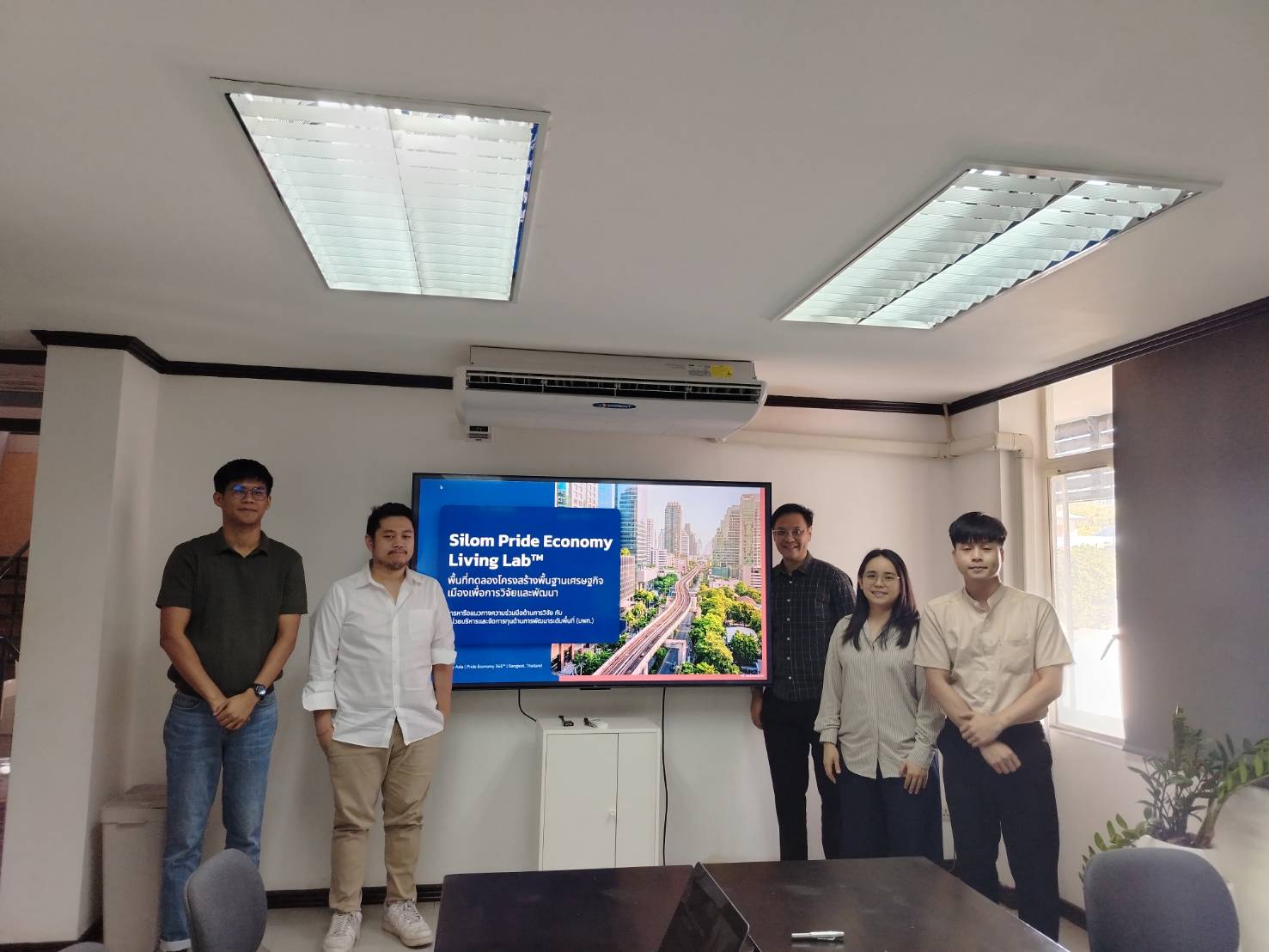
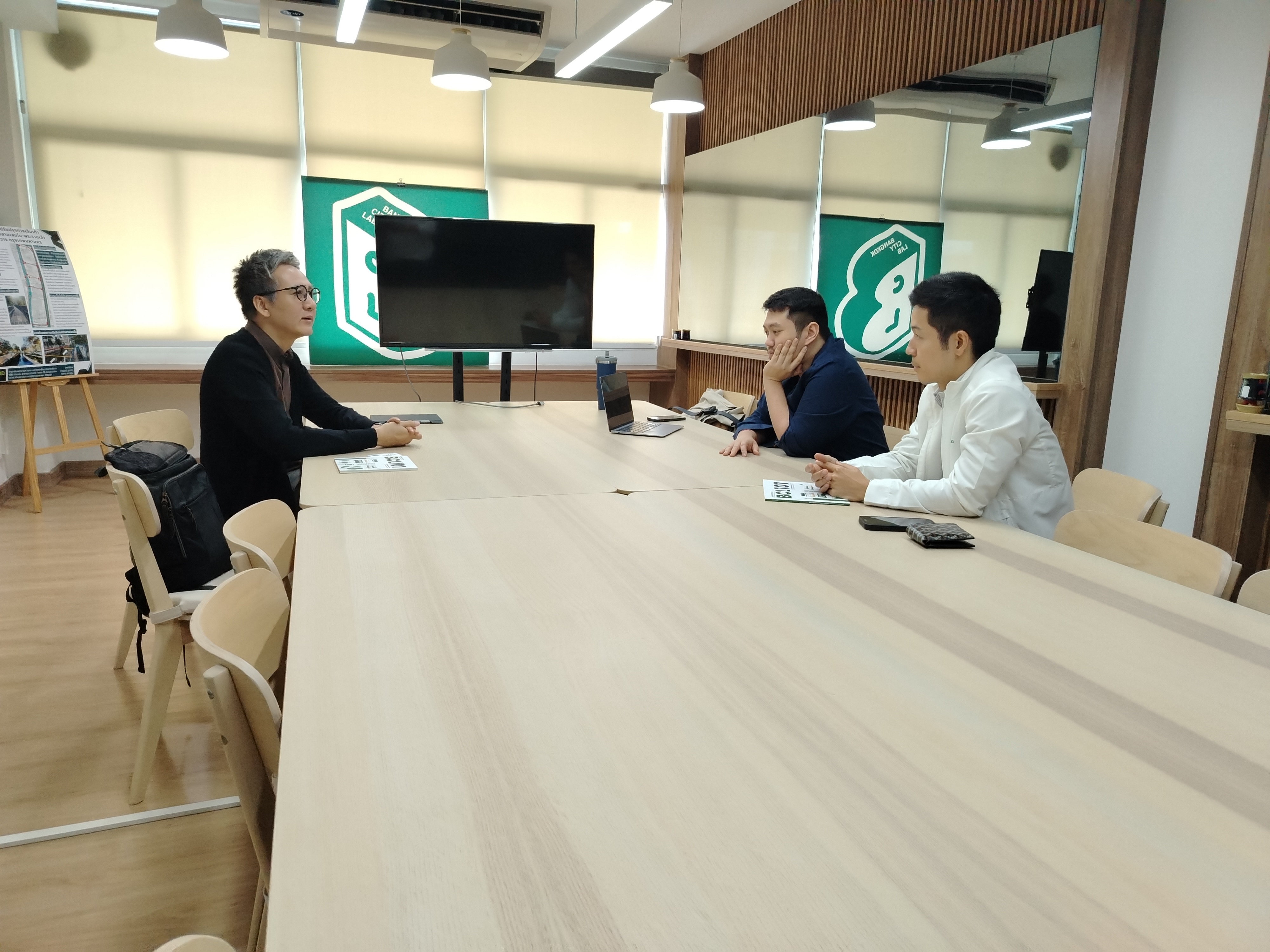
- 17 MarchThe team spoke with Bangkok City Lab about Pride Economy 365™ and the possibility of using Silom to explore service ideas and experiences. The discussion considered both urban settings and information that could support service design. It placed questions from the area within a district-level experiment framework; specific test locations, scope and ways of working together require further development.
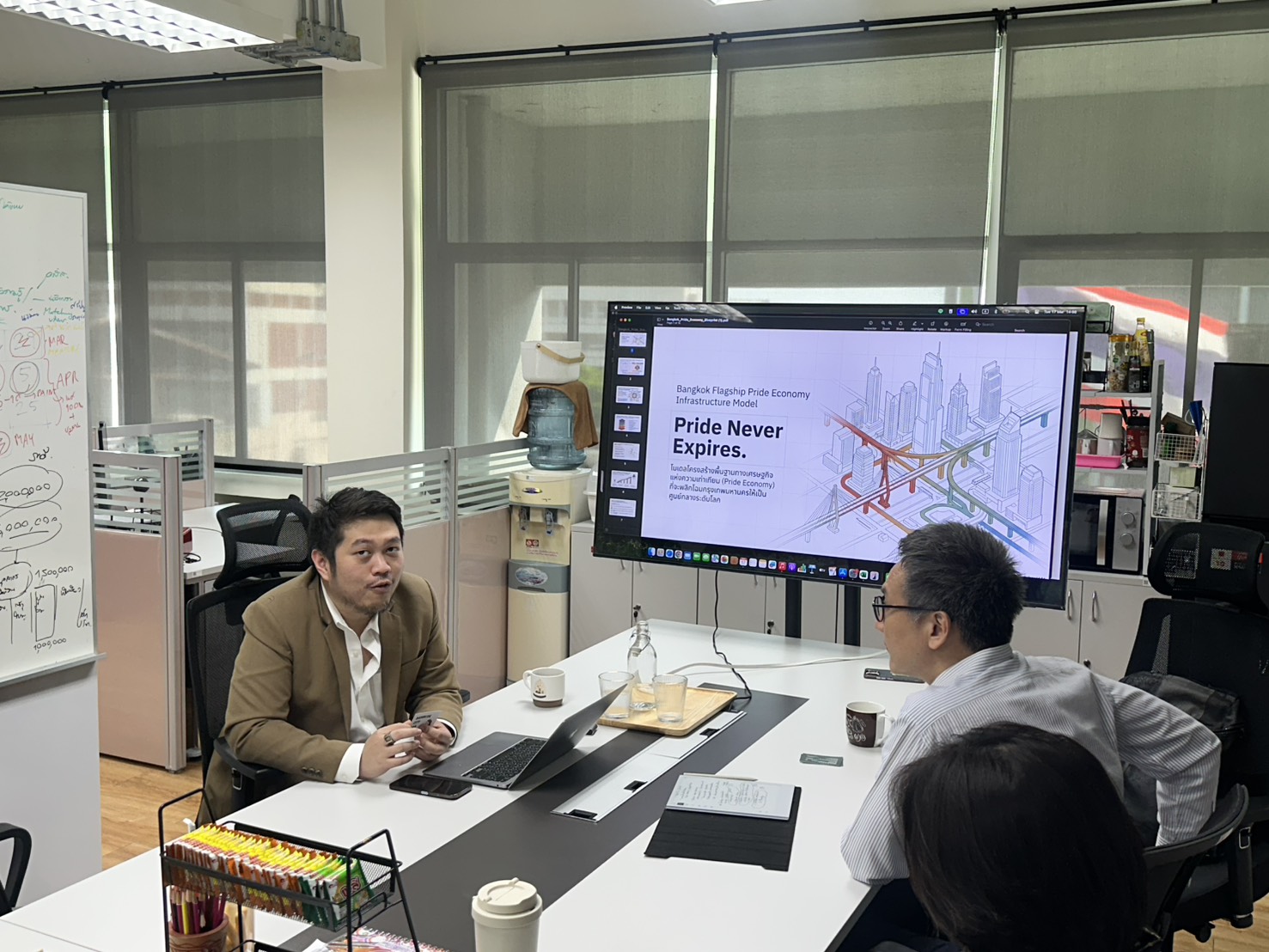
- 19 MarchPride Ready Asia met Bangkok Council representatives to discuss a proposal connecting the festival economies of Silom and Banthat Thong, and presented Pride Economy 365™. The proposal considered activities and travel between neighbourhoods as parts of a connected experience. It relates to SQILL's study of how visitors could continue their journeys, find information and access businesses' services along the way.
- 20 MarchAn Impact Marketplace entry mentions Rainbow Sky Social Business and ideas for connecting businesses with social-enterprise services, including employment, procurement and service development that considers diversity. This extends the Living Lab's questions to who can participate in the service value chain and which opportunities local businesses could access.
- 20 MarchPride Ready Asia joined the Rainbow Sky Association of Thailand (RSAT) and the Pride Show Bangkok team to discuss equality training and ideas for tracking results in tourism and spa businesses. The conversation raised questions about how community knowledge could inform service preparation.
- 21 MarchThe team exchanged ideas with Chakaruna Collective about culture, wellbeing and the creative economy, considering how experience design and participation could inform urban development. Together with the February conversation, a continuing question is how neighbourhood services and activities can support a sense of belonging. This calls for listening to visitors and communities who use the area.
- 23 MarchPride Ready Asia discussed place-based research and the use of data in service design with Thammasat University, Hong Kong Metropolitan University and the City Lab network. The proposed approach connected learning, travel behaviour and user experiences, with SQILL as a concrete setting for study. Work at this stage concerned developing research questions and a framework for further discussion.
- 25 MarchThe team exchanged ideas with Hong Kong Metropolitan University about education's role in developing cities and services that consider diversity. Topics included visitor experiences and possible tools for studying destination readiness. This continued the earlier research questions by asking how academic knowledge could help businesses and urban practitioners understand which services need development.
- 25 MarchPride Ready Asia and the Pride Show Bangkok team discussed event preparation and a platform idea to connect organisations with knowledge about diversity. The conversation considered event planning alongside service preparation.
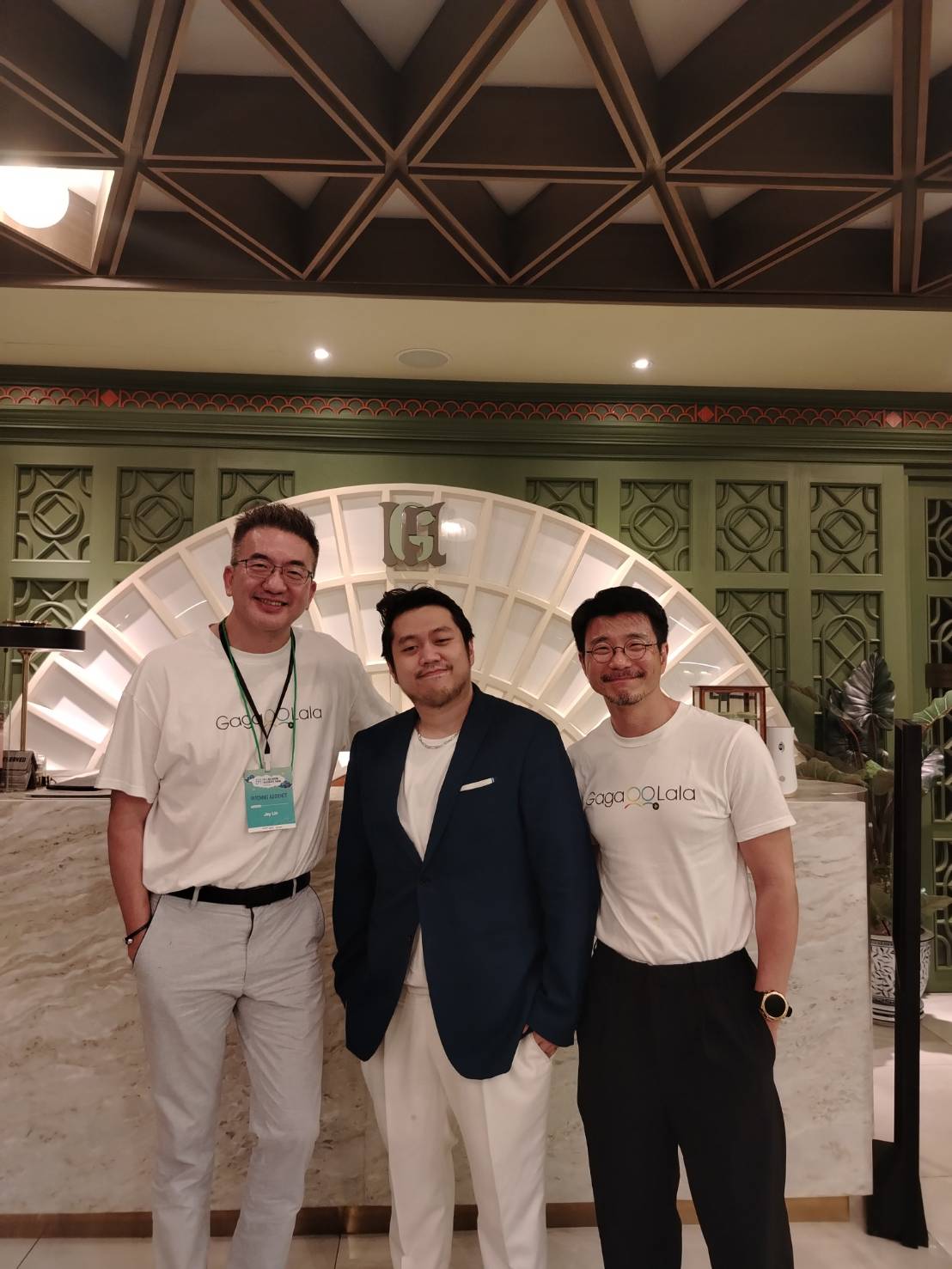
- 26 MarchPride Ready Asia joined GagaOOLala's networking dinner, meeting people working in media and culture to exchange perspectives on Asia's LGBTQ+ economy. The log connects media and storytelling with experiences people might travel to encounter in a city. This entry therefore provides cultural and market context for asking how a neighbourhood's stories could connect with the services and experiences visitors find there.
- 27 MarchThe team met Booking.com to discuss inclusive tourism and travellers' service experiences. The exchange considered a travel platform's perspective alongside festivals and services in the city. For SQILL, the related question is how information and experiences travellers expect before booking could align with what they encounter in the neighbourhood.
April–October 2026: Connecting places, data, businesses and markets
The work between milestones included developing proposals, discussing data, preparing the forum and following up with service providers. After June, conversations increasingly connected business readiness with the questions buyers and travel networks use to assess services, bringing market perspectives back into district development.
April 2026
- 24 AprilPride Ready Asia's follow-up record identifies participation in a World Bank expert consultation on sustainable and wellness tourism. The team connected that learning with service competitiveness, small-business participation and practical implementation in Silom. This is part of the team's account of the learning behind its June and July submissions on service infrastructure and a district Living Lab.
- 27 AprilThe team met Radius Networks to discuss organisational inclusion, employee resource groups and connections with tourism. Radius followed up with ideas and resources for considering learning activities and organisational readiness. For the district work, this broadened the focus from places and routes to the people delivering services and the organisational support they need.
- 30 AprilPride Ready Asia spoke with IGLTA's Clark Massad about Bangkok in the LGBTQ+ travel market, the importance of a sense of place and perspectives from other Asian destinations. After the call, he introduced colleagues responsible for membership and related enquiries. The discussion connected questions about Silom's routes and experiences with what travellers and international travel networks need to understand about a destination.
May 2026
- 9–11 MayThe Pride Economy 365™ team was selected for the S.IMPACT 2026 incubation round and submitted its participation confirmation under the name Pride Impact Travel 365. Taking the concept into a social-business development process required a clearer account of whom the service would help and how value could return to communities. The selection is a step in developing the proposal, rather than a result from a district pilot.
June 2026
- 3 JuneThe team met IGLTA Foundation to clarify the separate scopes of the forum, knowledge activities and tourism-business preparation. Pride Ready Asia then submitted a request for a possible knowledge contribution to one forum session and asked about developing skills and readiness ahead of accreditation. This helped frame a learning pathway for local businesses; the requested roles and permissions remained subject to the Foundation's review.
- 6 JunePride Ready Asia submitted comments to the World Bank Group's Thailand Country Partnership Framework consultation, proposing attention to inclusive service infrastructure across tourism, wellness, long stays and service-sector jobs. An accompanying note presented 2nd Life in Thailand™ as a Living Lab concept for further development. The submission connected observations about service users and local businesses with broader development questions.
- 12 JunePride Ready Route Bangkok was shortlisted for BDI Hackathon 2026: OPEN AT Bangkok under Data for Better Journey. The team's proposal linked travel information with destination and service readiness that travellers could examine. The proposal connects with the Living Lab's need to relate visitor needs to evidence from the district.
- 15 JunePride Ready Asia met True teams and research contributors to discuss Pride Economy Route™, visitor movement, service readiness and evaluation. They explored area-level, non-identifying information alongside the local context that businesses and communities could provide. After the meeting, the team sent hypotheses, area clusters and time windows for consideration, connecting the Living Lab's service questions with the need to protect visitors' privacy.
View 3 more recordsShow fewer records
- 18–22 JuneFollow-up with True and True Digital Park established venue and communications support for PRIDE MOVE on 30 June. In parallel, the team continued exploring how aggregated travel information might inform route and service questions. This connected preparation for the public forum with the district-study proposal, while keeping the event support and any subsequent study or resource commitments within their separate scopes.
- 26 JuneFollowing a further discussion, Pride Ready Asia sent True's analytics team a working brief with area clusters, event windows and hypotheses for aggregated, non-identifying analysis. The team acknowledged receiving the material for further work. This translated the route concept into questions that analysts could examine, without establishing findings about visitor behaviour in Silom.
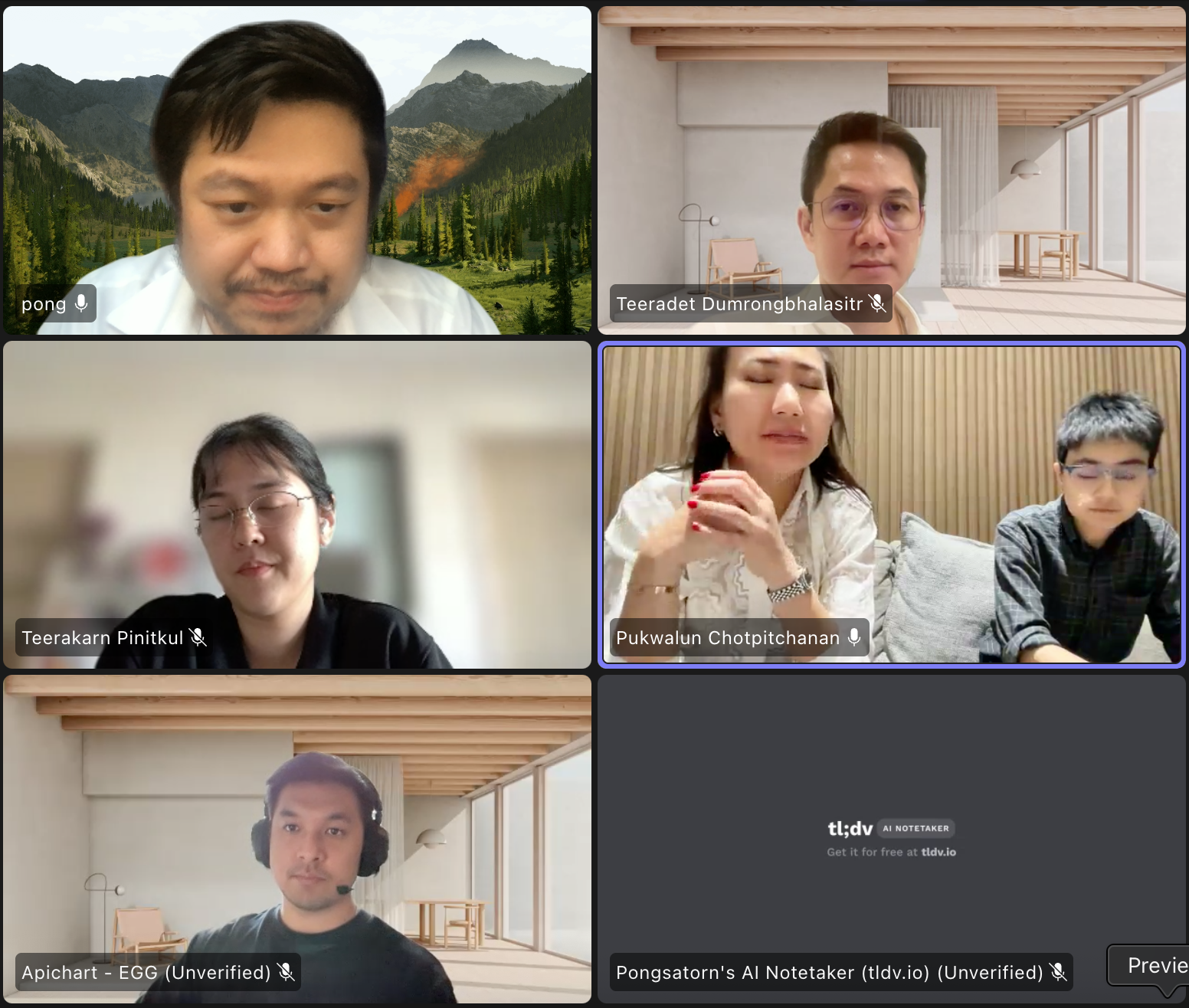
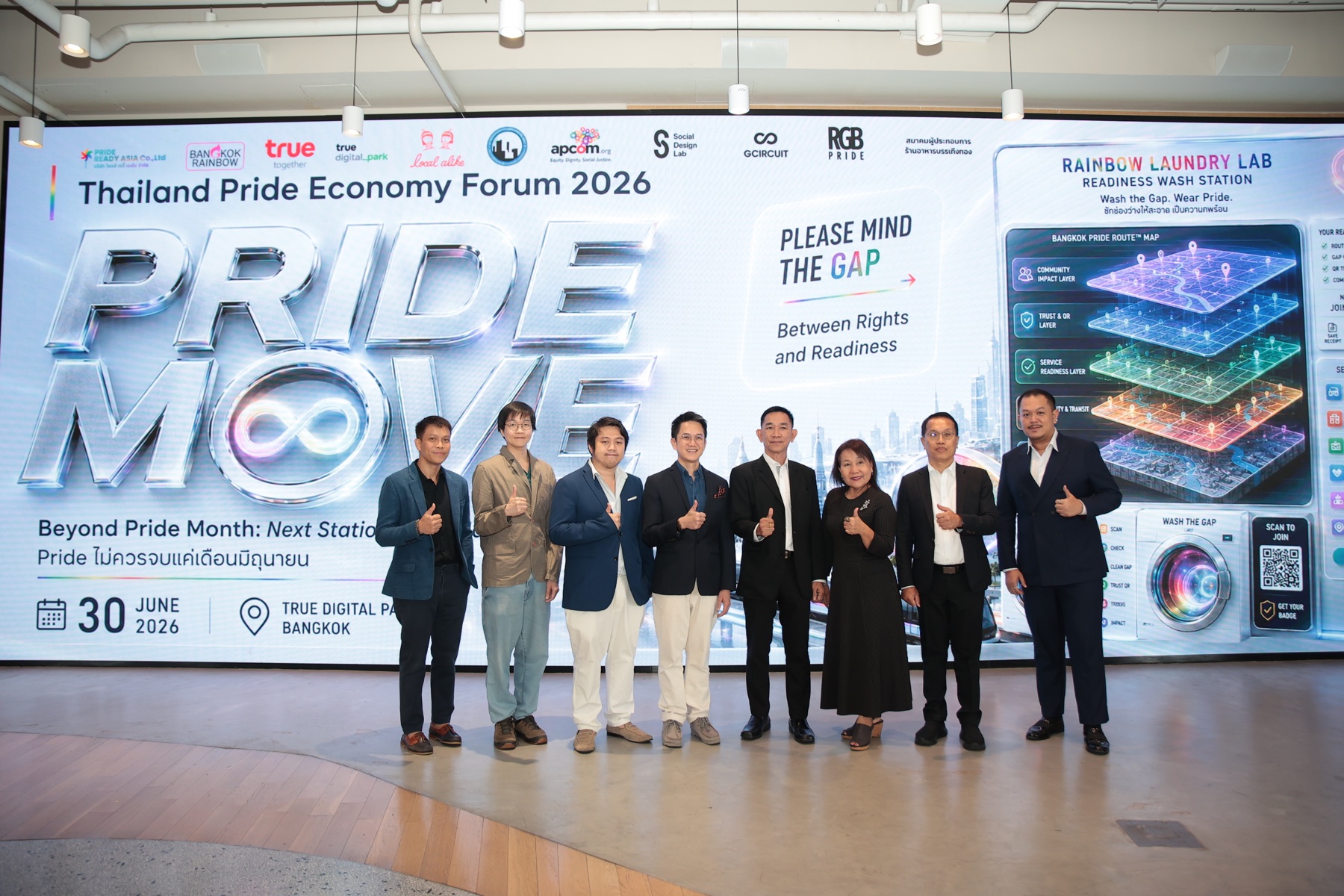
- 30 JunePride Ready Asia organised Thailand Pride Economy Forum 2026 at True Digital Park, opening a discussion among business, academic, community and tourism networks. The forum considered places, services, data and markets together within Pride Economy 365™. In the Living Lab's development, it brought field questions together with participants' perspectives before individual work scopes and proposals were developed further.
July 2026
- 21 June–7 JulyThe team began coordinating with MuvMi about connecting transport with food and cultural routes across Silom, Banthat Thong and surrounding areas, leading to an appointment with its business-development team on 7 July. The proposed question was how visitors could reach businesses, activities and services while understanding the connections between neighbourhoods. The work remained an exploration of possible routes and shared visitor experiences.
- 16 JulyThe team exchanged ideas with Bangkok City Lab about a Silom Living Lab and neighbourhood development, considering access to places and the use of evidence in service design. The discussion moved from a broad economic framework towards questions to examine in the area, such as reaching destinations and connecting services across locations. The form of any experiment and each party's role still need to be defined within an agreed scope.
- 17 JulyPride Ready Asia met Aahhtech.lab, which presented an interactive-route concept using aahhmap and sent supporting material after the meeting. The exchange explored how location information and neighbourhood stories could help visitors understand a route and choose experiences. For the Living Lab, this was an exploration of how information could reach users; technology selection and development scope remained to be considered.
- 23 JulyThe team updated Bangkok Rainbow and requested a discussion about drawing on its LGBT Map knowledge for a Silom pilot. The proposed topics included credit, data ownership, updates and benefits returning to the community. This brought the rights of local knowledge holders into the route-design question; the outreach did not itself establish permission to reuse the map or a joint implementation.
View 1 more recordsShow fewer records
- 27 JulyPride Ready Asia sent a next-stage Silom Pride Economy Living Lab consultation note to World Bank contacts, linking service, business and workforce readiness with travel information and community value. It requested feedback on using a district as a research-to-pilot setting and bringing market learning back to Silom. The note sought consultation rather than endorsement, funding or an institutional commitment.
August 2026
- 5 AugustPride Ready Asia presented the Silom Living Lab framework and Impact Marketplace idea to UNDP technical contacts for feedback. The issues relevant to district work included responsible data use and how the work's results could be followed. This conversation formed part of reviewing the approach and questions for further development.
- 5 AugustIn a separate working session that day, the team exchanged ideas with contributors from True and Chula Social Design Lab about responsible data use, mobility and service infrastructure. Considering aggregated information required both analytical knowledge and an understanding of the district to identify useful service questions. This followed the June discussions and was distinct from the technical exchange with UNDP.
- 21 AugustThe team spoke with ISMED about business readiness and opportunities in the LGBTQ+ tourism market. Connecting service development with SMEs requires understanding what each business already has in place, what needs improvement and which information can inform decisions. For SQILL, this links neighbourhood users' experiences with the capabilities and constraints of businesses providing the services.
- 21–31 AugustPride Ready Asia coordinated with UDDC about visitor movement and physical readiness in Silom, with dates and representatives being adjusted during the latter part of the month. The proposed question connected information about service users with the district's physical conditions and access to destinations. This coordination placed urban knowledge alongside service research, ahead of defining a trial and the roles involved.
View 1 more recordsShow fewer records
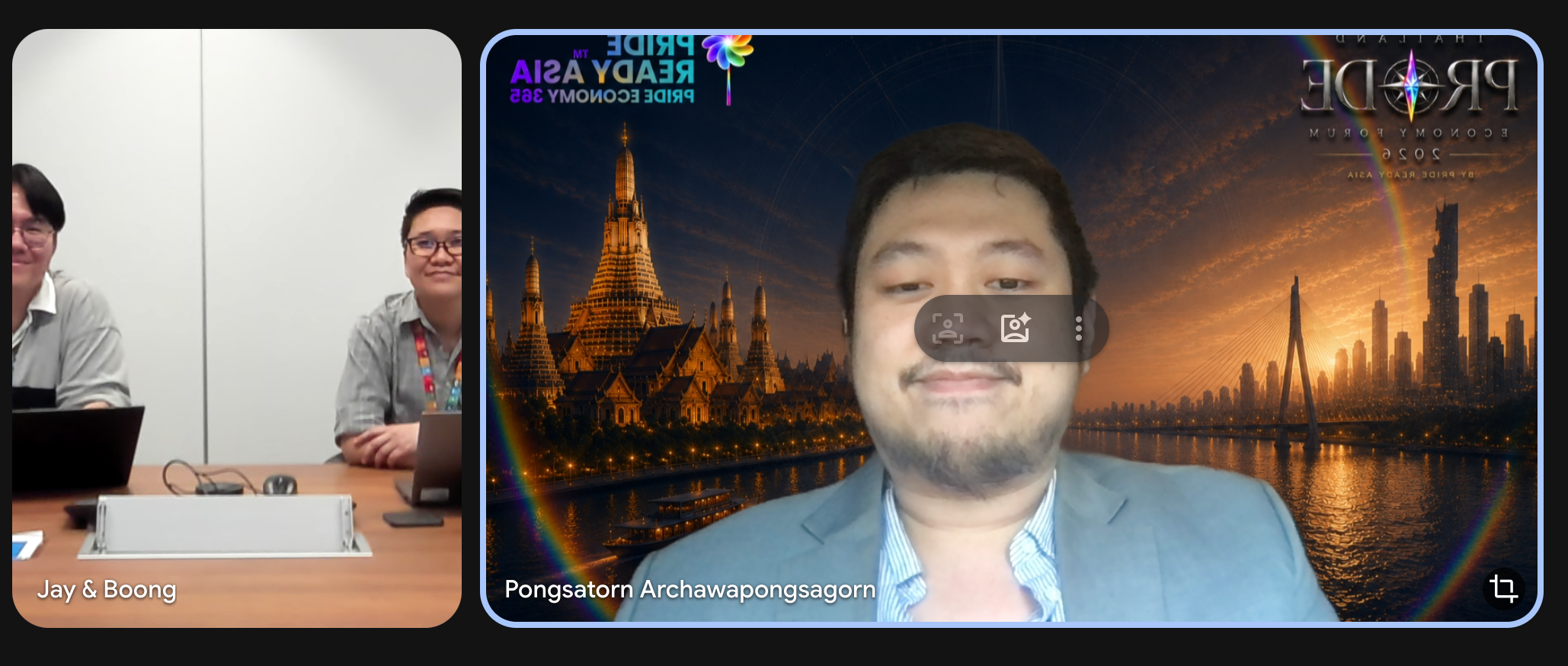
- 27 AugustThe team met IGLTA's Parth Patnaik to connect its district and Thai-business development work with the LGBTQ+ travel network. The exchange concerned service information, business readiness and appropriate ways to engage industry contacts. It was another step in taking Silom's questions to the market ahead of the IGLTA Travel Reception Bangkok in September.
September 2026
- 11 SeptemberThe team met the Office of Small and Medium Enterprises Promotion (OSMEP) to discuss business development, distinguishing SME-support mechanisms from access to the LGBTQ+ travel market. This helped separate the work and deliverables needed to develop a business from the preparation needed to reach buyers. The Living Lab therefore needed to consider both service improvements and the information businesses would use to present them to the market.
- 14 SeptemberPride Ready Asia exchanged ideas with Dr Bella Vongvisitsin about mobility information, maps and research questions for services in Silom. They considered how travellers' needs could relate to locations and service details that can be checked. This helped prepare questions for understanding users' experiences, while the map and approaches to using data remained to be designed and reviewed.
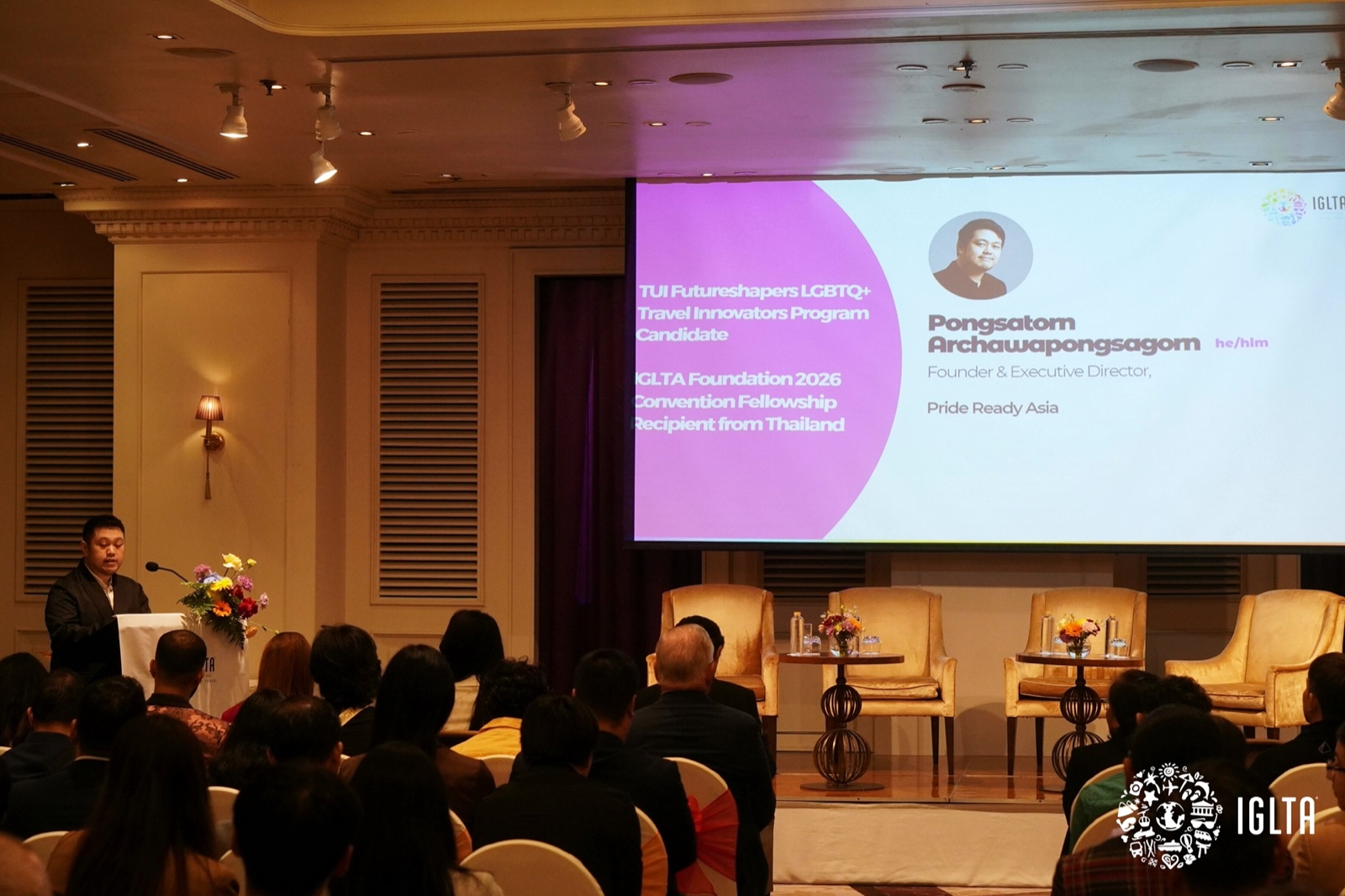
- 18 SeptemberPride Ready Asia joined IGLTA Travel Reception Bangkok at lebua at State Tower and presented questions about business preparation, service information and booking channels. The event provided an opportunity to discuss services in Thailand with international travel buyers and networks. Its connection with the Living Lab lies in bringing market perspectives back to the question of what local providers need to explain and prepare so travellers can make informed choices.
- 23 SeptemberThe team met the Association of Thai Travel Agents (ATTA) to connect the Visitor Economy idea with businesses and tourism markets. A pilot area's questions therefore need to consider both the experience being developed and the information tour operators or buyers use to assess a service. The discussion provided topics for further work on how local businesses' routes and services could prepare for market access.
View 1 more recordsShow fewer records
- 25 SeptemberThe project record notes a discussion with ISMED about SME readiness, service design and market access. These themes continued the August exchange and helped frame what product information, skills and services a business would need before engaging buyers. The work remained the development of a business-support approach, ahead of the October discussion on research and service learning.
October 2026
- 2–3 OctoberThe team exchanged emails with Assistant Professor Dr Narut Supawantanakul of Thammasat University about DEI + Belonging and its possible use in hospitality learning. For the Living Lab, the question was how staff could understand users' experiences and translate that understanding into service practice. The correspondence developed an idea for further discussion, rather than establishing a delivered workshop or university agreement.
- 5 OctoberPride Ready Asia met representatives of the Tourism Authority of Thailand's domestic-market team to discuss Local Pride Route and business readiness. Developing a route required consideration of visitor groups, local experiences and the service details that could be developed in practice. This connected Silom's questions with route development, while product examples and operating arrangements still needed to be prepared for further feedback.
- 6 OctoberThe team attended creative-economy and visitor-economy working-group meeting 9/2569 at ICONSIAM, exchanging perspectives on tourism and information for service development. The forum connected visitor experience with creative-economy, tourism and place-related work. For SQILL, it provided an opportunity to bring district questions into a wider discussion before pursuing specific scopes with the parties concerned.
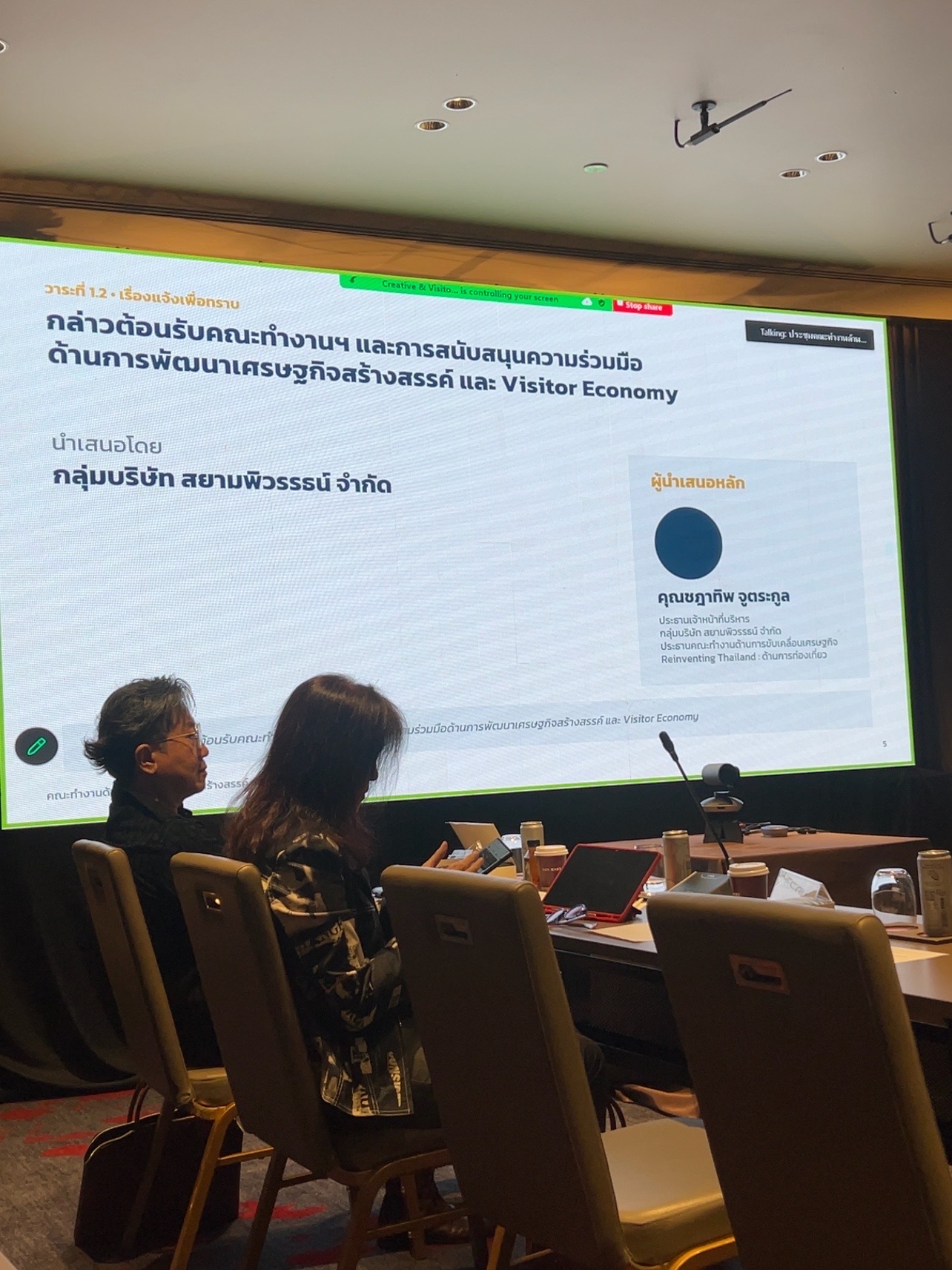
- 9 OctoberPride Ready Asia spoke with Siam Piwat about LGBTQ+ visitor experiences and ideas for services that respond to individual needs. Discussion topics connected visitor information, frontline communication and referrals between service points. These relate to SQILL's question of how the information people receive can align with services they can actually access, while test locations and implementation details remain in development.
View 5 more recordsShow fewer records
- 9 OctoberPride Ready Asia met the lebua team to discuss experiences and services for LGBTQ+ guests, including possible connections with services in Silom. Speaking directly with a provider brought frontline capabilities and the information travellers need into the research and route questions. This was a separate discussion from Siam Piwat on the same day; product details and any trial arrangements remained to be developed.
- 12 OctoberThe team met ISMED and Dr Bella Vongvisitsin to discuss studying user needs, service design and business readiness. Learning activities and focus groups were considered as ways to understand barriers faced by different visitors. This connected market questions with staff skills and frontline experience, while surveys, workshops and trials still required further definition.
- 14 OctoberThe team returned to discussions with Healthy Space Forum about the Bangkok Pilot and infrastructure for inclusive tourism, considering travel information alongside place readiness and ideas for facilities serving diverse users. This connected the wellbeing questions raised earlier in the year with conditions for using services in the area. Further work involves selecting questions suited to the setting and determining how to investigate or test service improvements.
- 22 OctoberPride Ready Asia sent a revised Silom proposal with more detailed work and deliverables for consideration. The proposal connected route information, wayfinding, service points and preparation for people providing the services within one framework. This phase links SQILL with the LGBTQ+ Visitor Economy Thailand framework in development and a view of the Bang Rak–Pathum Wan area; scope, test locations and ways of working together still require discussion.
- 26 OctoberPride Ready Asia met IGLTA and Dr Bella Vongvisitsin to discuss a development pathway for Thai tourism businesses, from business readiness to products, seller information and international buyers. The team outlined its SME-development work with ISMED and a proposed buyer–seller platform with ATTA, asking where IGLTA's knowledge could help. The late-October discussion connected the Living Lab more clearly with bringing market opportunities back into local service development; roles, activities and cooperation documents remained under discussion.
What SQILL is developing next
The next work is to define the area and research questions, gather service information that can be checked, and design learning with communities, businesses and people using the district. Research, frontline preparation and tourism-product development need to connect so that the information visitors receive matches the experiences they can actually access.
Discussions through late October helped connect business development with opportunities to reach international buyers. The next steps still require agreement on roles, activities, resources and data-use conditions with those involved, followed by bringing the learning back into local trials and services.
LIVING LAB · PHOTO ARCHIVE
Images along the journey
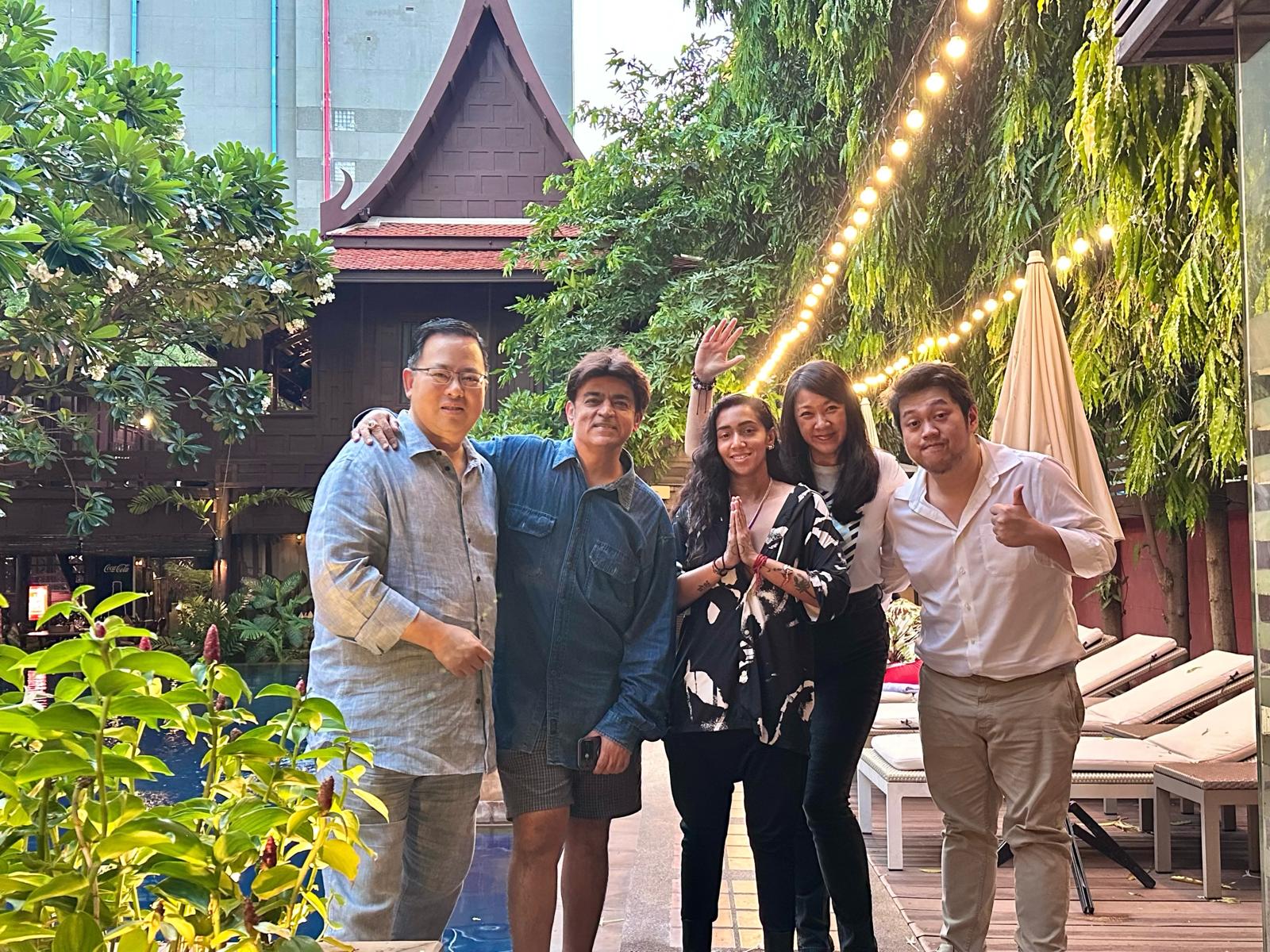
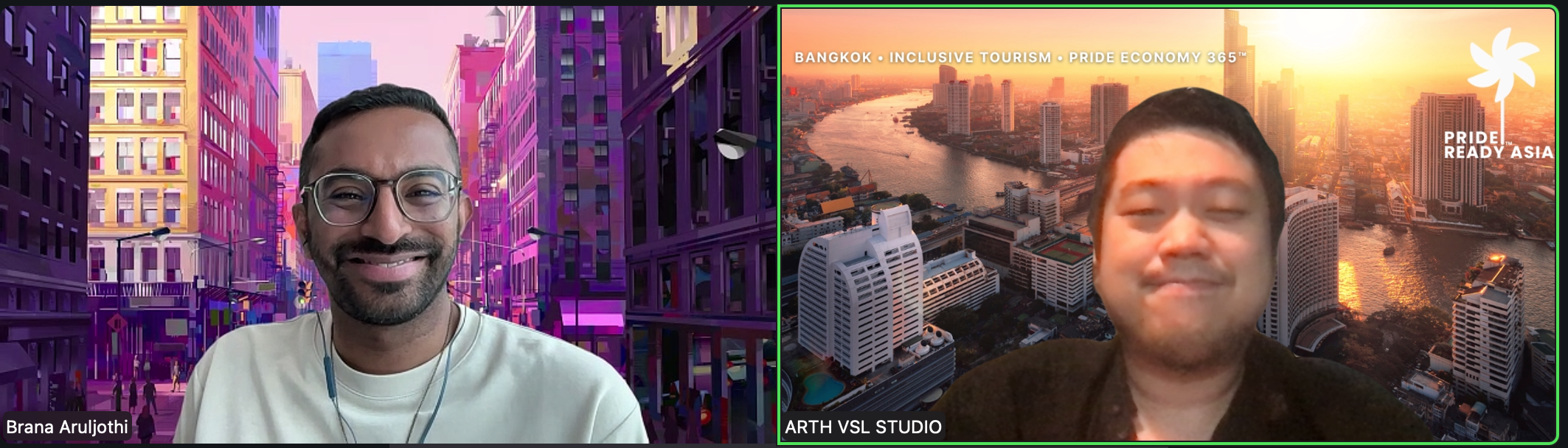
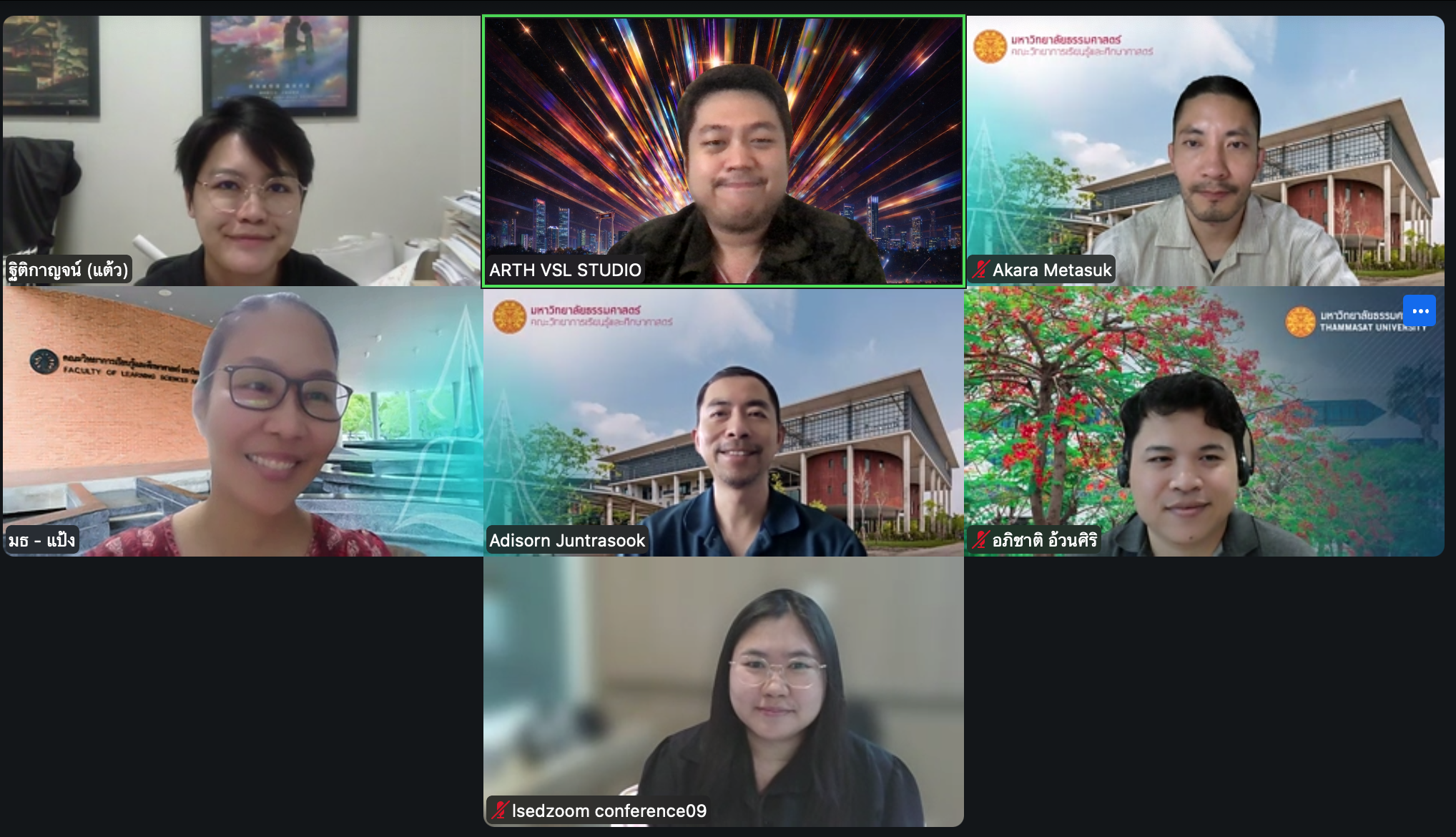
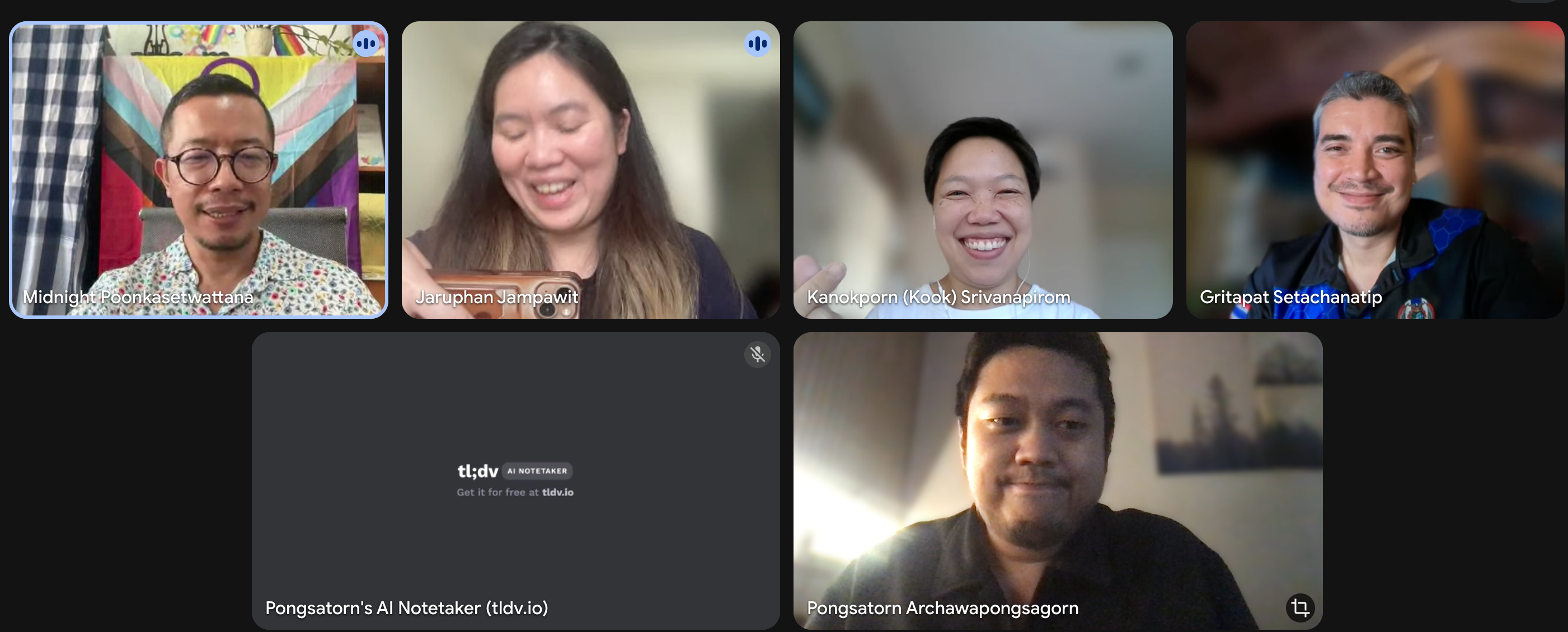
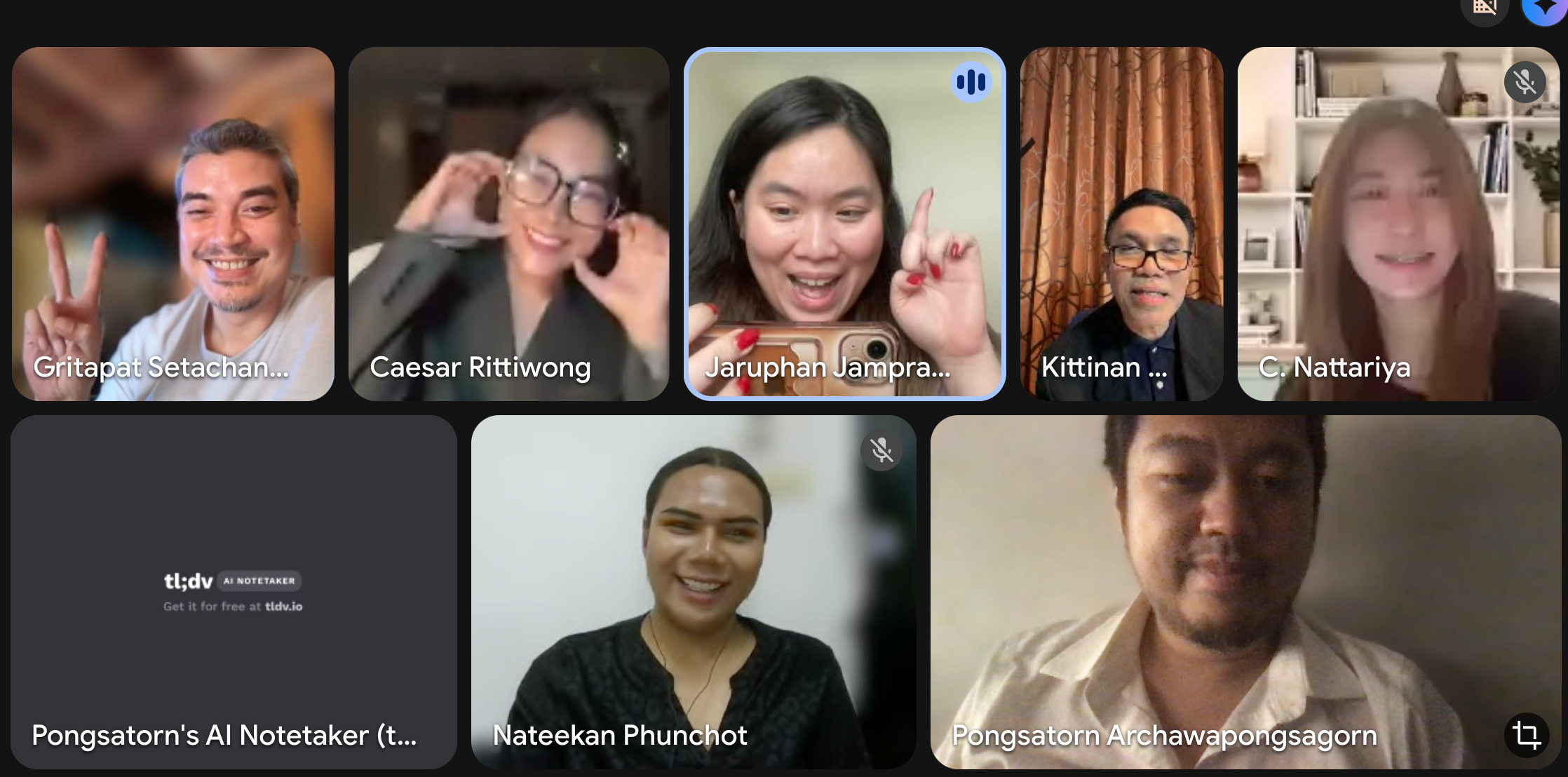
Events, conversations, field visits and ideas collected along the Living Lab journey. Select an image to view it in full.
Events and public conversations
Discussions and learning
People and places
Online conversations

Ideas and media
Tell us what you want to improve.
Tell us what your team is working on, who you want to support and where you would value another perspective. Together, we can clarify the challenge and explore a practical next step.